
The Manok Pansuh is a traditional Sarawakian dish that showcases the unique flavors of chicken and herbs cooked in bamboo. This method not only enhances the taste but also adds a delightful smokiness to the dish. Below is a recipe outline to help you create this iconic meal.


Manok Pansuh – Traditiional Sarawakian Dish
Manok Pansuh is a must-try for anyone wanting to explore Sarawak’s culinary heritage. The use of bamboo not only enhances the flavor but also provides an interesting cooking method that is both eco-friendly and practical.
4
servings20
minutes1
hour300
kcal1
hour20
minutesKeep the screen of your device on

Ingredients
1.5 lb Chicken
3 in Ginger Root
4 cloves Garlic
2 in Galangal
2 stalks Lemongrass
2 stalks Tepus
1 bunch Cassava leaves
1 in Turmeric
2 Birds eye chili
1 Bunga kantan (torch ginger flower)
1.5 cups Water
Hollowed Bamboo

Directions
- Prep the Bamboo: Clean the inside of the bamboo stalk by soaking it in water for 30–60 minutes. Keep one end sealed at the natural bamboo node and leave the other end open.
- Blend the Spices: Roughly chop the lemongrass, galangal, ginger, garlic, turmeric, birds eye chili, tepus, bunga kantan, and half the cassava leaves. Pound or blend them into a coarse paste.
- Marinate the Chicken: Cut the chicken into bite-sized pieces. Toss it in a large bowl with the pounded spice paste, salt, and black pepper.
- Stuff the Bamboo: Loosely pack the marinated chicken into the bamboo stalk. Pour in 1 cup of water to create the broth.
- Cap and Cook: Wad up a handful of cassava leaves and jam them tightly into the open end of the bamboo like a cork. Place the bamboo stalk at a 60–80 degree angle over hot coals or an open wood fire. Roast for about 45–60 minutes, turning occasionally so it cooks evenly, until you hear the liquid bubbling out.
- Serve: Carefully remove the cassava leaves, pour the rich soup and tender chicken into a serving bowl, and enjoy alongside steamed rice.


Equipment

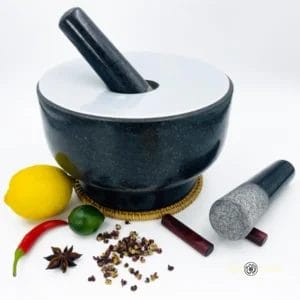

Notes
- Free-range or village chicken is preferred. You’ll get a much better texture and flavor
- Tepus is also known as wild ginger and Bunga kantan is the torch ginger flower – both are optional but highly recommended for authenticity and taste.
- Substitutes for Tepus (Wild Ginger)
1) Galangal and Kaffir Lime Zest: For each stalk of tepus use 1 inch of galangal combined with 1/2 teaspoon of grated lime zest. Galangal provides the piney, earthy undertone of wild ginger, while the zest adds the necessary citrus.
2) Standard Ginger and Lemongrass: Combine 1/2 inch of grated standard ginger root with 1 tablespoon of finely minced lemongrass (white inner stalk only) - Substitutes for Bunga Kantan (Torch Ginger Flower)
1) Lemongrass and Laksa Mint: For 1 bunga kantan, use 1 minced stalk of lemongrass plus a handful of fresh Vietnamese mint (laksa mint). This pairing best captures the floral, herbaceous tang and lemongrass notes of the torch ginger.
2) Lime Zest and Mint: Use 1 teaspoon of fresh lime zest combined with a few fresh mint leaves to replicate the citrus-floral aroma of the original flower.
3) Dried Torch Ginger (Online): If you are cooking a specific heritage dish like this Manok Pansuh or Nyonya Curry, seek out commercially packaged Dehydrated Torch Ginger Flower or Torch Ginger Flower Cubes from specialty Asian grocers. - If you cannot find a large bamboo vessel you can make this dish on a stive top. Here’s 4 methods to try:
1) Use the Clay Pot/Dutch Oven Method: The heavy walls of a clay pot or Dutch oven simulate bamboo’s ability to retain and distribute heat evenly.
2) The “Banana Leaf” Trick: The signature aroma of manok pansuh comes from the bamboo and the lining of tapioca leaves. To get this authentic, woody, and earthy flavor, tightly wrap your seasoned chicken and herbs in clean banana leaves before placing it into your cooking pot.
3) Liquid Control: Bamboo naturally releases moisture as it steams, creating a thick, rich broth. When cooking in a pot, use slightly less water than you would in bamboo and simmer gently on low heat to keep the chicken juicy.
4) Tapioca/Cassava Leaves: If you still want the traditional pairing of the accompanying greens, substitute or serve it with fresh spinach or taro leaves (ensure they are thoroughly cooked to remove any bitterness)
Nutrition Facts
- Serving Size: 1 serving
- Total number of serves: 4
- Calories: 225kcal
- Fat: 12.4g
- Saturated Fat: 3.6g
- Cholesterol: 61mg
- Sodium: 64mg
- Potassium: 255mg
- Carbohydrates: 10.5g
- Net Carbs: 10.2g
- Fiber: 0.3g
- Sugar: 0.2g
- Protein: 15.7g
- Vitamin A: 6.6mcg
- Vitamin C: 6.5mg
- Calcium: 24mg
- Iron: 2mg
- Vitamin D: 0.2mcg
- Vitamin E: 0.3mg
- Vitamin K: 1.5mcg
- Thiamin: 0.1mg
- Riboflavin: 0.1mg
- Niacin: 5.7mg
- Vitamin B6: 0.4mg
- Vitamin B12: 0.3mcg
- Folate: 11.7mcg
- Pantothenic Acid: 0.8mg
- Phosphorus: 136mg
- Magnesium: 26mg
- Zinc: 1mg
- Selenium: 12.3mcg
- Copper: 0.1mg
- Manganese: 0.5mg
Did you make this recipe?
Leave a rating and tell me how it turned out in the comments.
Did you make this recipe? We’d love to see it!
Tag @healthynatured on Instagram and add the hashtag#asiaflavor
Like this recipe?
Follow @healthynatured on Pinterest
Join us on Facebook!
Follow Taste of Asia Flavor on Facebook
This unique dish is a must-try for anyone wanting to explore Sarawak’s culinary heritage. The use of bamboo not only enhances the flavor but also provides an interesting cooking method that is both eco-friendly and practical.
Quick Dinner Recipes
Looking for some inspiration – Try some of our firm favorites




yum