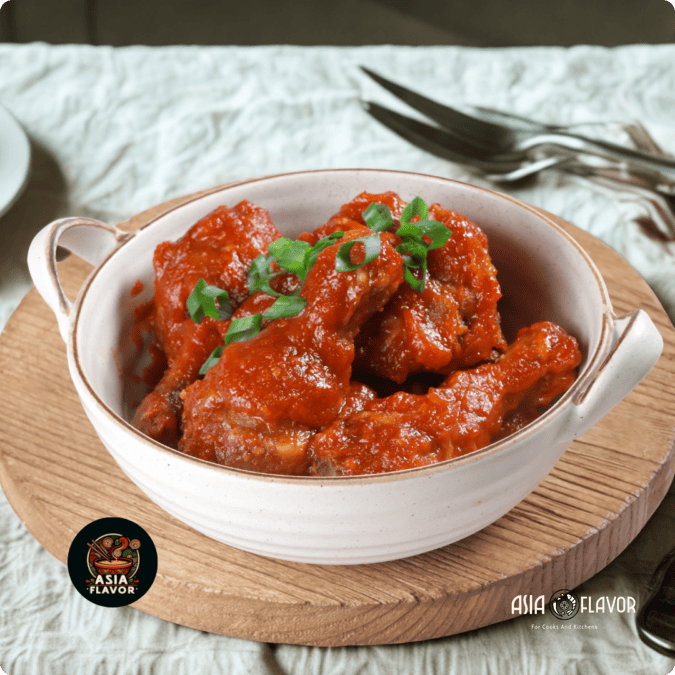
When you first encounter Ayam Masak Merah, prepare yourself for a culinary experience that captivates all your senses. This Malaysian red chicken dish stands as one of the most iconic preparations in Malay cuisine, commanding attention with its vibrant crimson hue and complex flavor profile. Furthermore, this beloved dish represents more than just a meal—it embodies centuries of culinary tradition and cultural significance.
A Royal Introduction to Malaysia’s Ruby-Red Treasure
Master chefs across Malaysia consider this dish a true test of skill, as achieving the perfect balance of sweetness, tanginess, and aromatic spices requires precision and understanding. Indeed, when you learn to prepare this dish properly, you unlock a gateway to understanding the very essence of Malay cooking philosophy. Moreover, the dish’s popularity extends far beyond Malaysia’s borders, enchanting food enthusiasts worldwide with its unique combination of ingredients and cooking techniques.
Tracing the Ancient Roots of Crimson Perfection
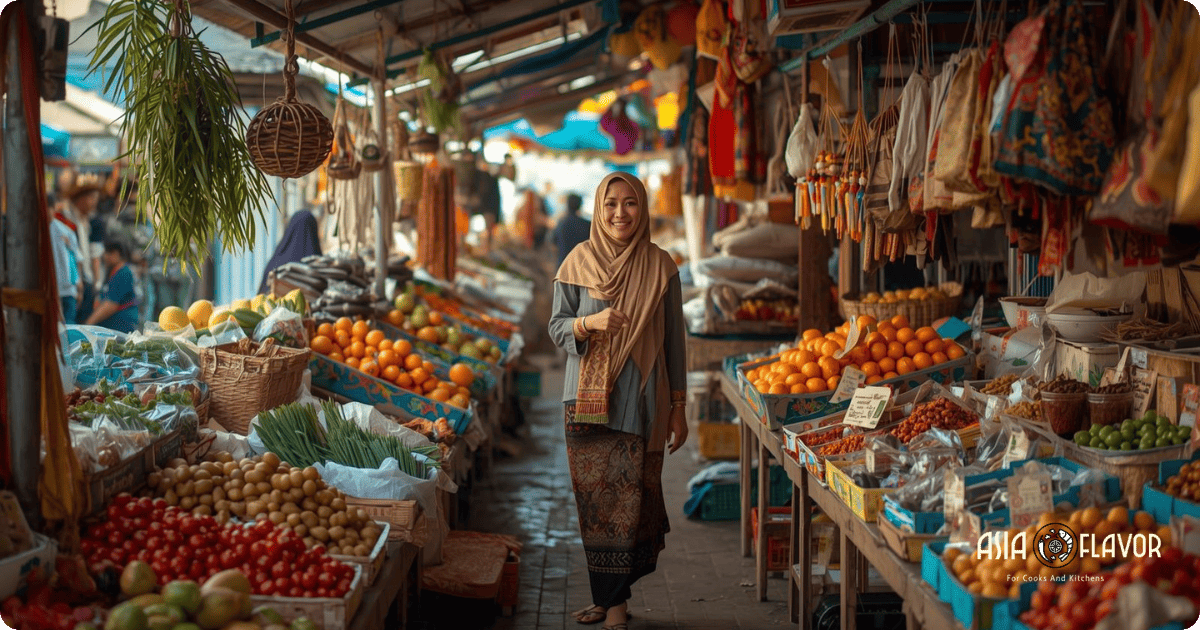
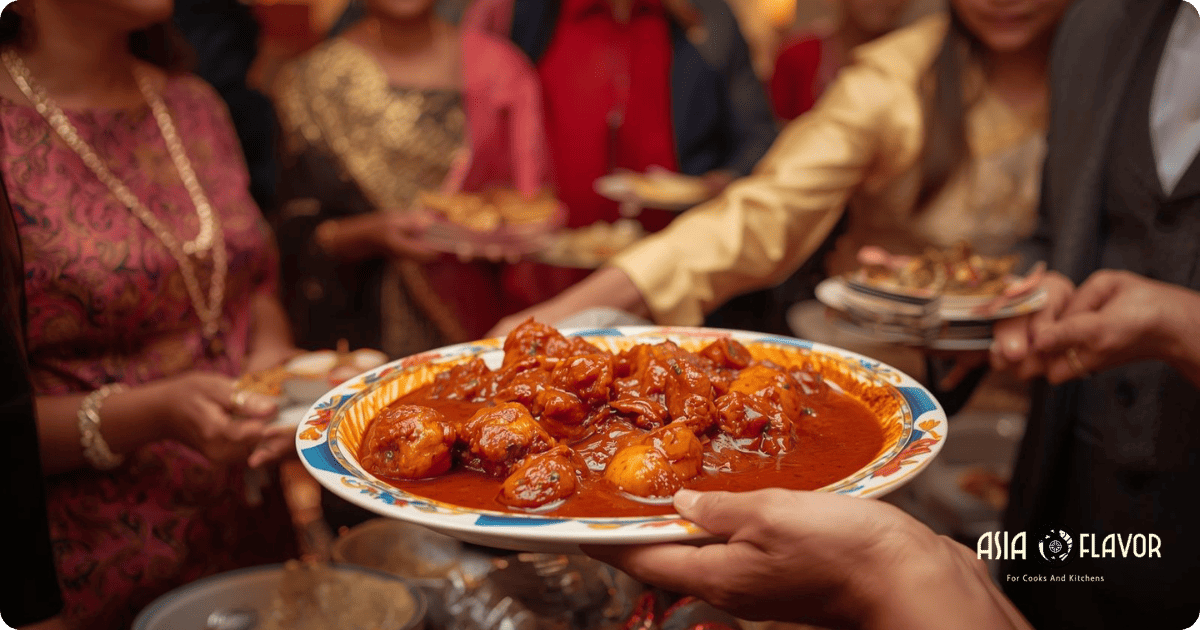
If you were to trace its history, you’ll discover that Ayam Masak Merah emerged during the golden age of the Malay sultanates. Originally, palace cooks created this dish exclusively for royal banquets and special celebrations. Subsequently, the recipe gradually spread beyond palace walls as former royal cooks shared their knowledge with common folk. Additionally, historical records suggest that traders from India and the Middle East influenced the dish’s spice profile during the bustling maritime trade era.
Throughout the centuries, this magnificent creation evolved from a symbol of aristocratic dining to a staple at Malaysian weddings, festivals, and family gatherings. Consequently, each generation added subtle refinements while preserving the dish’s essential character. Furthermore, the introduction of tomatoes from the Americas in the 16th century revolutionized the recipe, replacing traditional souring agents and contributing to the dish’s signature red color that we recognize today.
The Evolution of a Culinary Masterpiece
Witness how Ayam Masak Merah transformed through the decades as modern cooking methods and ingredient availability shaped its preparation. Initially, cooks relied on traditional wood-fired stoves and clay pots, which imparted a distinctive smoky flavor to the dish. However, contemporary kitchens now employ gas stoves and modern cookware, requiring adjustments in cooking times and techniques.
Observe how globalization introduced new elements while maintaining the dish’s authentic core. Particularly noteworthy, the inclusion of tomato ketchup in modern recipes sparked debates among traditionalists and innovators. Nevertheless, this adaptation demonstrates the dish’s remarkable ability to evolve while retaining its essential Malaysian character. Health-conscious cooks now experiment with reducing oil content and incorporating organic ingredients, proving that tradition and modern dietary preferences can coexist harmoniously.
Regional Variations: A Tapestry of Flavors
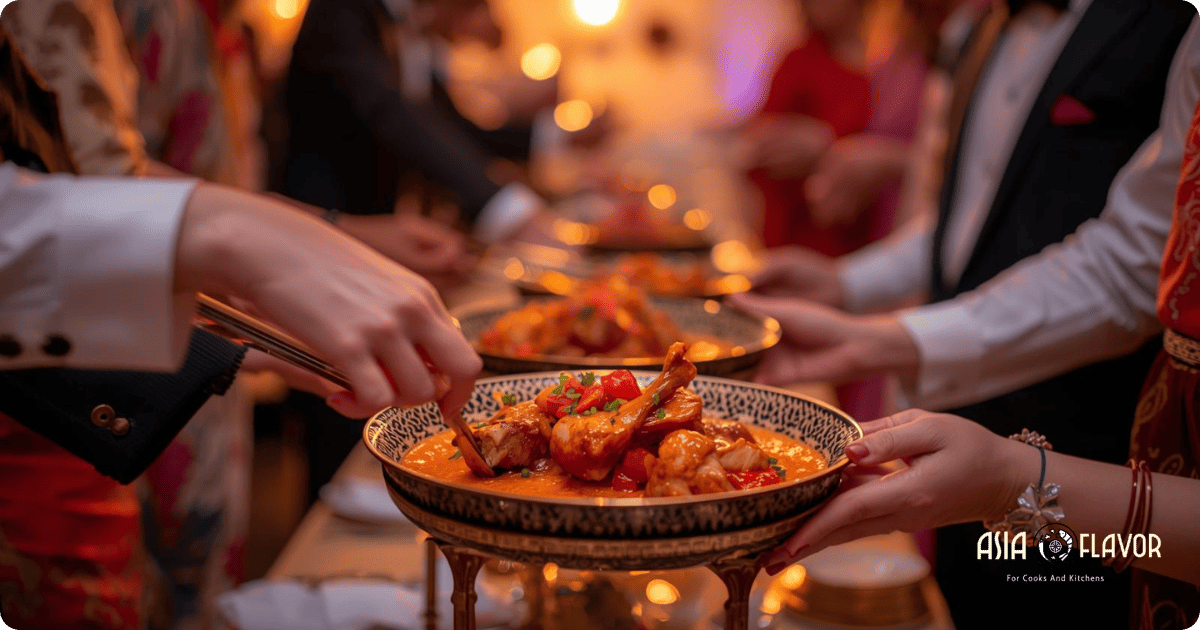
Explore the fascinating regional interpretations of this Malaysian red chicken across the peninsula and beyond. In Penang, cooks often incorporate tamarind juice for extra tanginess, while Johor variants feature a slightly sweeter profile with additional palm sugar. East Malaysian versions from Sabah and Sarawak sometimes include local ingredients like wild ginger and indigenous herbs.
Discover how neighboring countries adapted this dish to suit local palates. Singapore’s version tends toward a more refined, restaurant-style presentation with less oil and a glossier finish. Meanwhile, Southern Thai interpretations incorporate bird’s eye chilies for intense heat and fish sauce for umami depth. Additionally, Indonesian variations, known as “Ayam Masak Merah Padang,” feature a drier consistency and more pronounced chili flavor, demonstrating how cultural boundaries shape culinary expression.
The Sacred Symphony of Spices
Master the essential spice blend that forms the heart of authentic Ayam Masak Merah. First, understand that fresh ingredients surpass pre-ground alternatives in delivering vibrant flavors. Specifically, shallots provide a sweet foundation, while garlic adds pungent depth. Fresh ginger contributes warming notes that complement the dish’s rich sauce.
Appreciate how each spice plays a crucial role in the overall harmony. Lemongrass infuses citrusy brightness, while dried chilies deliver both color and controlled heat. Furthermore, star anise and cinnamon sticks add aromatic complexity without overpowering the dish. Importantly, toasting whole spices before grinding releases essential oils, elevating the entire flavor profile. Additionally, the timing of spice addition matters significantly—early additions mellow during cooking, while late additions maintain their distinct character.
The Alchemy of Essential Ingredients
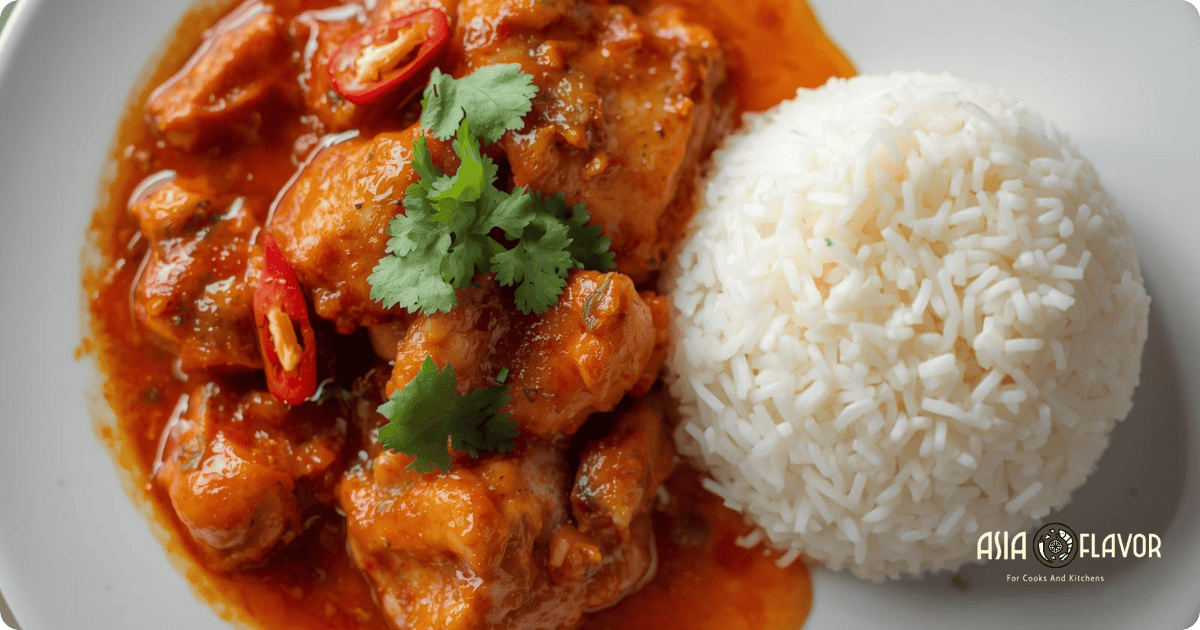
Understand why specific ingredients remain non-negotiable in creating authentic Malay-style chicken with pandan. Firstly, chicken selection matters immensely—free-range birds provide superior texture and flavor compared to factory-farmed alternatives. Secondly, fresh tomatoes contribute natural acidity and sweetness, while tomato paste intensifies the color and adds concentrated umami notes.
Recognize the transformative power of seemingly simple ingredients. Coconut milk enriches the sauce with creamy sweetness, while tamarind paste balances the overall flavor profile with its distinctive sourness. Moreover, pandan leaves, though optional in some recipes, impart an unmistakable aromatic quality that elevates the dish from good to extraordinary. Additionally, the quality of cooking oil affects the final result—many experienced cooks swear by a combination of vegetable oil for frying and ghee for finishing touches.
Mastering the Art of Preparation
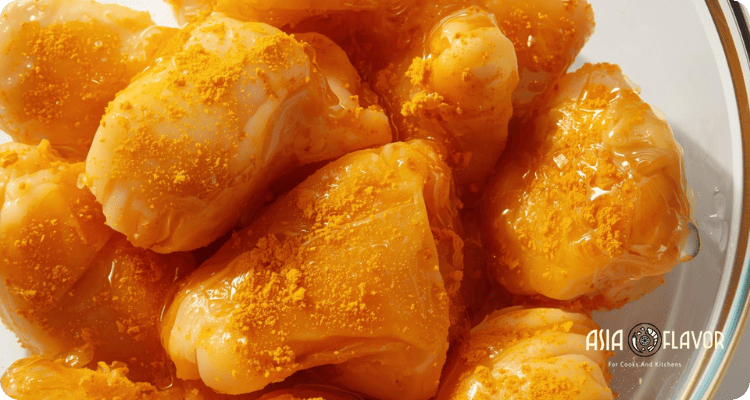
Execute the cooking process with precision to achieve restaurant-quality results at home. Begin by marinating the chicken pieces in turmeric and salt for at least 30 minutes, allowing the flavors to penetrate deeply. Subsequently, deep-fry the marinated chicken until golden brown, creating a protective barrier that keeps the meat juicy during the simmering process.
Perfect your sauce-making technique through careful attention to each step. Initially, sauté the spice paste over medium heat until fragrant and the oil separates—this crucial step develops complex flavors. Then, add liquid ingredients gradually, allowing each addition to integrate fully before proceeding. Furthermore, maintain a gentle simmer rather than a vigorous boil to prevent the coconut milk from curdling. Finally, fold in the fried chicken pieces during the last stage of cooking, ensuring they absorb the sauce while retaining their crispy exterior.


Ayam Masak Merah
4
servings30
minutes40
minutes300
kcal1
hour10
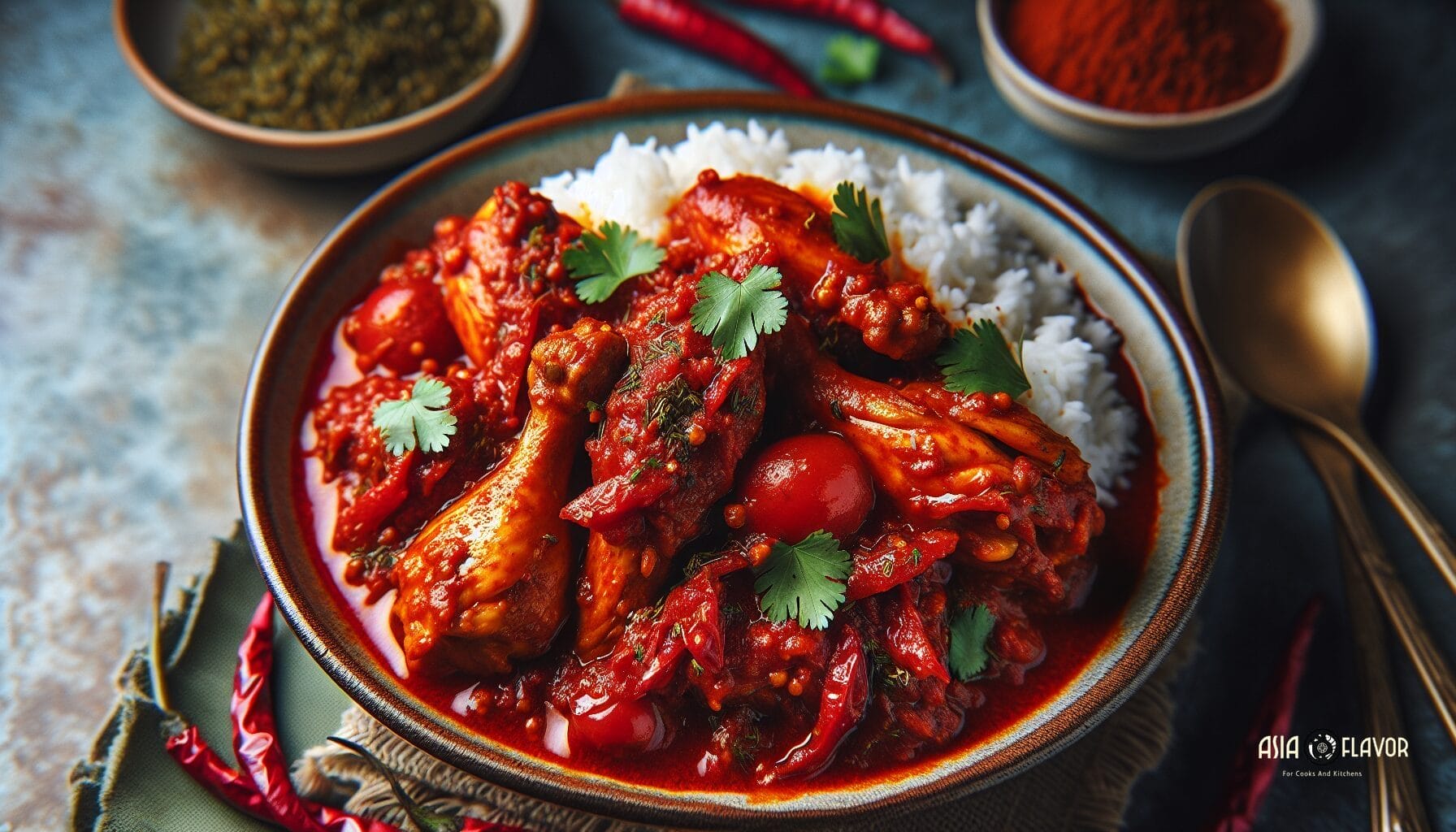
minutesA flavorful Malaysian chicken dish cooked in a rich, spicy tomato sauce.
Keep the screen of your device on

Ingredients
2.5 pounds 1.13 kg chicken, cut into pieces
1/4 cup 60 ml vegetable oil
1 cup 240 ml coconut milk
1/2 cup 130 g tomato paste
2 2 lemongrass stalks, smashed
5 cloves 5 cloves garlic, minced
1 1 large onion, sliced
5 5 red chilies, blended
1.5 tablespoon 1 1/2 tbsp sugar
1 teaspoon 1 tsp salt
1 1 cinnamon stick
2 2 star anise
1 1 cardamom pod
1 tablespoon 3 tsp lime juice
1 teaspoon 1 tsp ground tumeric
1 teaspoon 1 tsp ground coriander
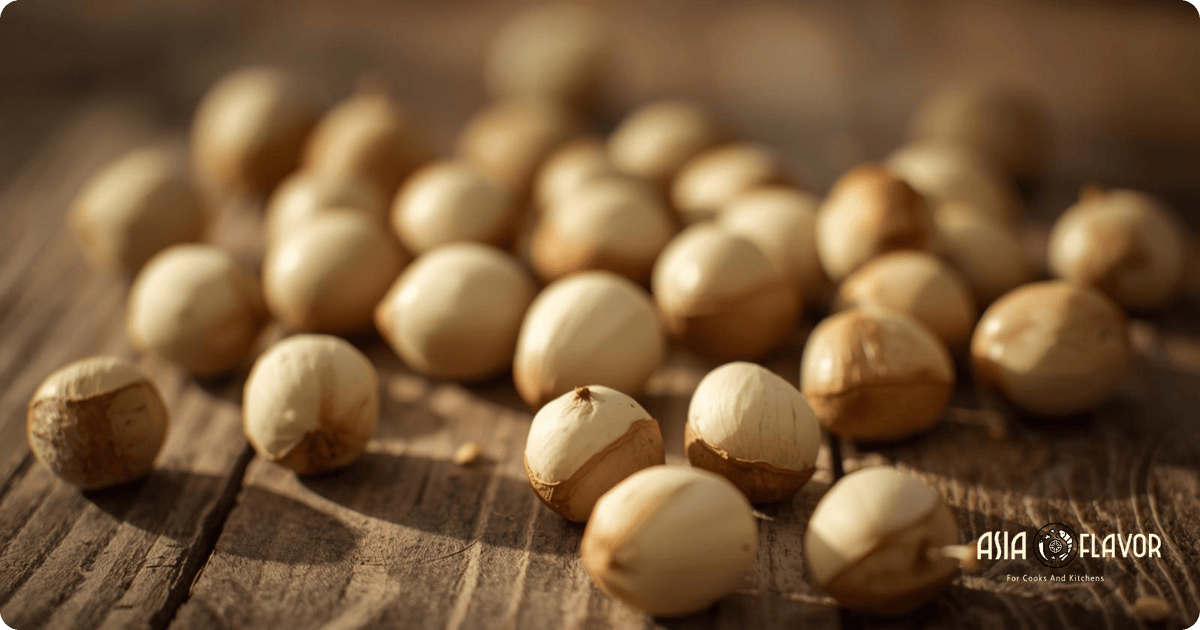
2 2 candlenuts
1 inch 1 inch ginger
12 12 pandan leaves

Directions
- Toss the chicken with lime juice, turmeric, and salt in a bowl and let it rest for 40 minutes.

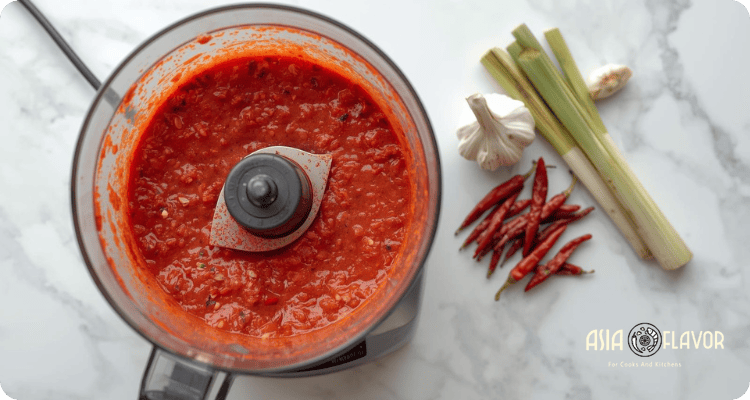
- In a food processor, blend coriander, garlic, chiles, candlenuts, lemongrass, ginger, onion, and 2 tablespoons of water into a smooth paste.
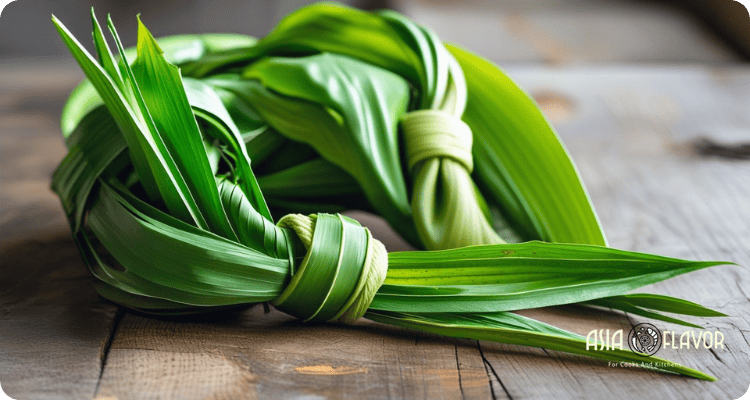
- Lightly bruise the pandan leaves, then split them into two bundles and tie each into a knot.
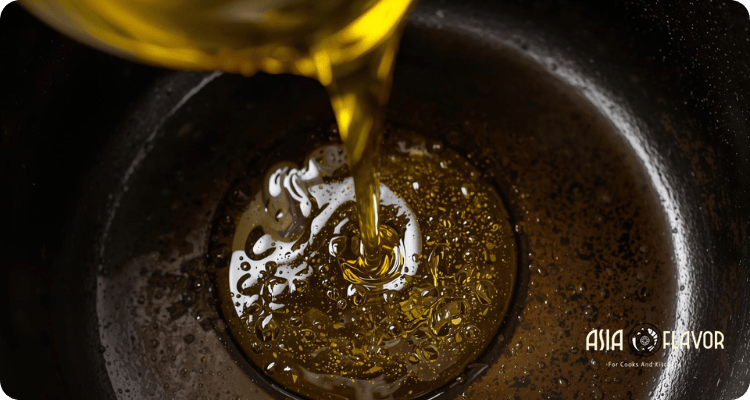
- Heat oil in a large heavy bottomed saucepan over medium-high heat.
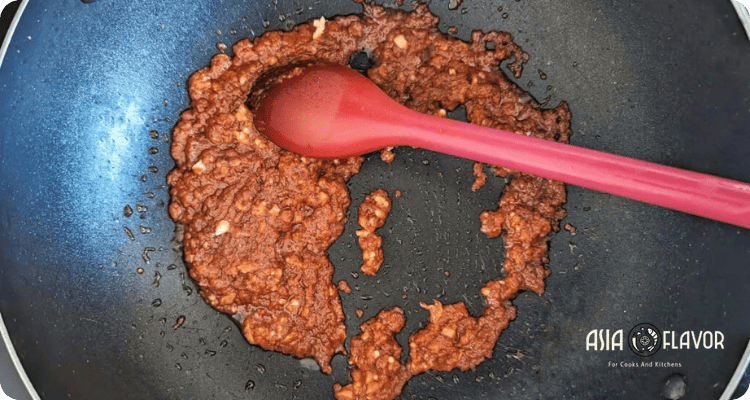
- Fry the spice paste until it begins to caramelize, about 6–8 minutes. Add the tomato paste and cook for 1 minute.
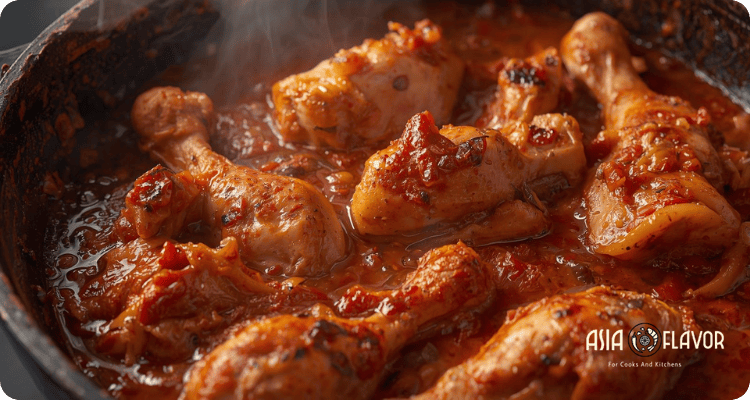
- Add the chicken and stir to coat. Mix in the pandan, honey, cinnamon, star anise, cardamom, and 1 cup of water; bring to a boil. Lower the heat to medium, partially cover, and cook until the chicken is done, 25–30 minutes.
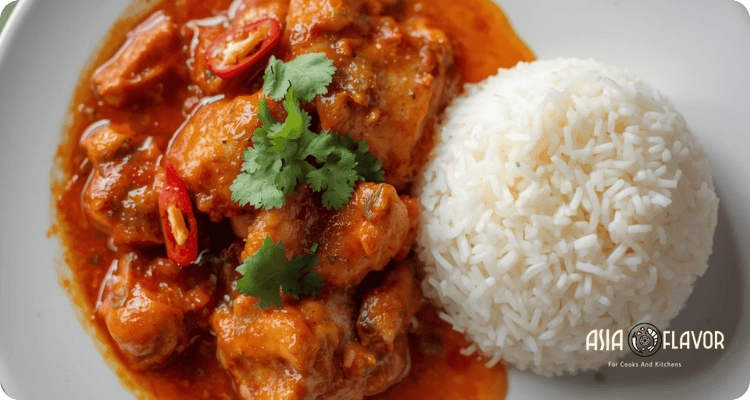
- Uncover and simmer until the sauce thickens, 6–8 minutes. Serve with rice.

Equipment



Notes
- If you don’t wish to use the sugar to sweeten, you can replace it with 1.5 tbsp of honey.
- Like it spicy – damp up the chilli to however hot you like.
- I prefer meat on the bone but you can use breast, just reduce cook time by approx 5 mins.
Nutrition Facts
- Serving Size: 150g
- Total number of serves: 4
- Calories: 220kcal
- Fat: 9g
- Saturated Fat: 2g
- Trans Fat: 0g
- Polyunsaturated Fat: 3g
- Monounsaturated Fat: 2g
- Cholesterol: 70mg
- Sodium: 450mg
- Potassium: 250mg
- Carbohydrates: 15g
- Fiber: 2g
- Sugar: 6g
- Protein: 20g
- Vitamin A: 500IU
- Vitamin C: 10mg
- Calcium: 30mg
- Iron: 2mg
- Vitamin D: 0mg
- Vitamin E: 1mg
- Vitamin K: 8mg
- Thiamin: 0.1mg
- Riboflavin: 0.1mg
- Niacin: 9mg
- Vitamin B6: 0.4mg
- Vitamin B12: 0.3mg
- Folate: 12mg
- Biotin: 5mg
- Pantothenic Acid: 0.5mg
- Phosphorus: 150mg
- Iodine: 0mg
- Magnesium: 20mg
- Zinc: 1.5mg
- Selenium: 15mg
- Copper: 0.1mg
- Manganese: 0.2mg
- Chromium: 0mg
- Molybdenum: 0mg
- Chloride: 0mg
Did you make this recipe? We’d love to see it!
Tag @healthynatured on Instagram and add the hashtag#asiaflavor
Like this recipe?
Follow @healthynatured on Pinterest
Join us on Facebook!
Follow Taste of Asia Flavor on Facebook
Professional Tips for Perfection
Elevate your Ayam Masak Merah with insider techniques from Malaysian master chefs. Firstly, prepare your spice paste one day ahead and refrigerate—this resting period allows flavors to meld and intensify. Secondly, reserve some fried shallots and fresh herbs for garnishing, adding textural contrast and visual appeal to the finished dish.
Apply these advanced strategies to troubleshoot common challenges. If your sauce appears too thin, continue simmering uncovered to reduce and concentrate flavors. Conversely, add chicken stock or coconut milk if the sauce becomes too thick. Moreover, balance is key—taste frequently and adjust seasonings incrementally. Additionally, consider serving alongside aromatic pandan-infused rice to create a complete Malaysian dining experience. Remember, patience and practice transform good cooks into great ones.