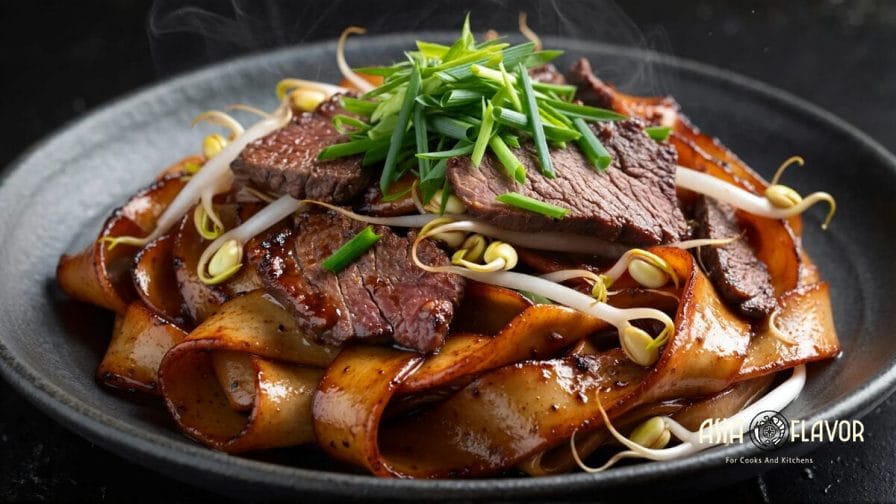
You are about to embark on a culinary journey to master the art of preparing Chow Foon noodles. This dish, a staple in many East Asian cuisines, offers a comforting and deeply satisfying experience. You’ll learn not just a recipe, but a technique, a way of coaxing out the inherent flavors of simple ingredients to create something truly remarkable. Think of this as unlocking a secret code to deliciousness, where each step is a key to a richer end product. This guide will equip you with the knowledge to prepare delectable Chow Foon noodles, exploring its nuances, key components, and how it fits into the broader culinary landscape.
Chow Foon, also known as Ho Fun or Shahe Fen, refers to the wide, flat rice noodles that form the foundation of this dish. Their texture is a defining characteristic: soft, slightly chewy, and possessing a remarkable ability to absorb the flavors of the sauces and stir-fries they are paired with. Unlike thinner noodle varieties, their breadth requires a specific approach to cooking and preparation to prevent them from clumping or becoming mushy. You will find that the simplicity of the noodle itself belies its potential for complex flavor profiles when treated with care.
Understanding Rice Noodles: The Foundation of Flavor
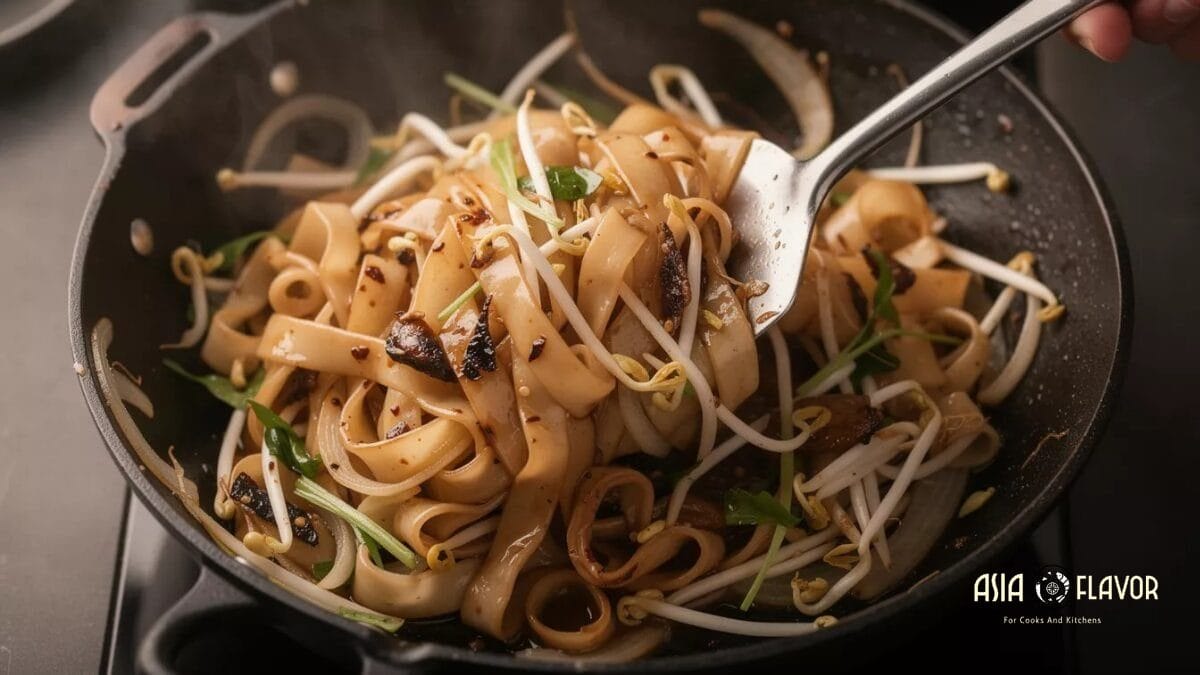
The heart of Chow Foon lies in its noodle. These are typically made from rice flour, water, and a touch of tapioca starch or cornstarch to achieve the desired elasticity. You will encounter them in fresh and dried forms. Fresh noodles, often found in Asian markets, offer the most authentic texture and are preferable for achieving the best results. They are usually sold in sheets or pre-cut lengths. Dried noodles, while more accessible, require careful rehydration to mimic the springiness of fresh ones. The quality of the rice flour and the precision in the steaming process during their production contribute significantly to the final texture. You can even look at your noodles under a magnifying glass and see the tightly woven structure that gives them their unique bite.
The Art of Texture: Chewy, Slippery, and Satisfying
The ideal Chow Foon noodle possesses a delicate balance of chewiness and slipperiness. You want a noodle that offers a pleasant resistance to the bite, but also glides smoothly in your mouth. This is achieved through a combination of factors: the noodle’s inherent composition, how it’s cooked, and how it’s handled during the stir-frying process. Overcooking will lead to a mushy, broken noodle, while undercooking will result in a tough, unyielding texture. It’s a tightrope walk, but one that is well worth mastering for the sheer pleasure of the outcome.
Sourcing Your Noodles: Freshness is Key
For the most authentic experience, seek out fresh Chow Foon noodles. These are typically found in the refrigerated section of Asian supermarkets. You will often find them in pre-portioned packs, either as large flat sheets that you can then tear or cut into your desired width, or already sliced into ribbons. If you can only find dried noodles, look for ones specifically labeled “Ho Fun” or “Shahe Fen.” They will require soaking in hot water until pliable, a process that demands attention to avoid over-soaking. The journey to delicious Chow Foon begins with the right noodle, much like a painter chooses their canvas.
The Flavor Profile of Chow Foon
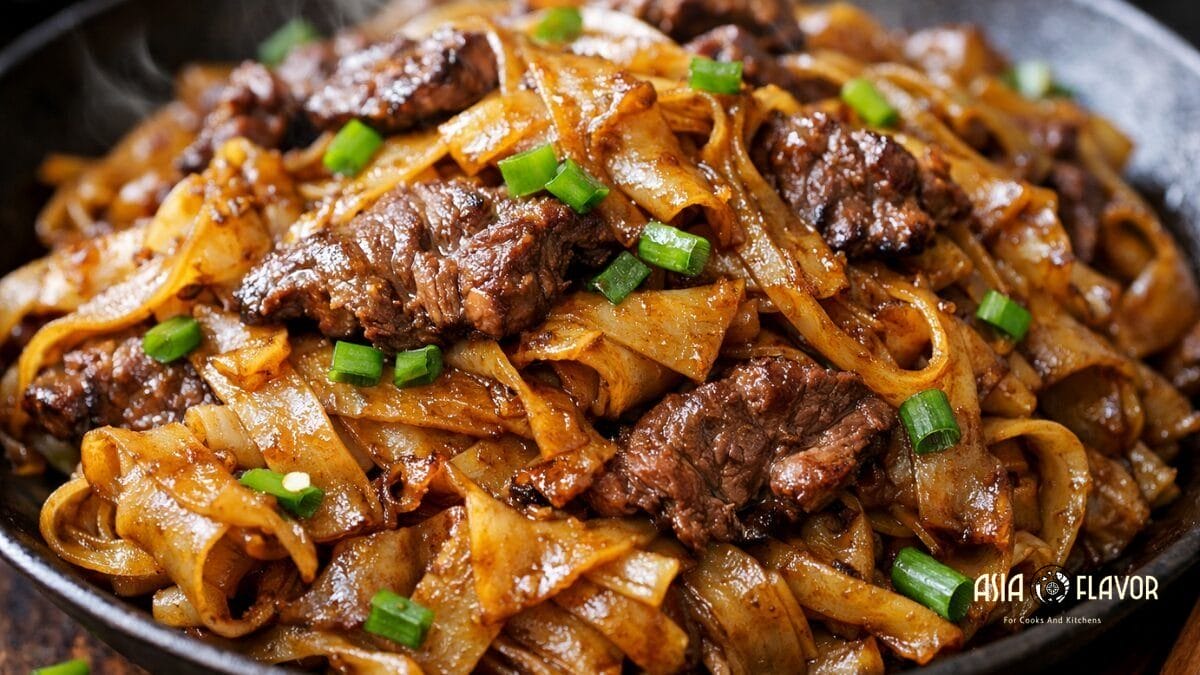
Chow Foon itself is relatively neutral in flavor, acting as a superb canvas for the vibrant sauces and ingredients it’s paired with. This neutrality is its strength, allowing the other components to shine. The beauty of Chow Foon dishes lies in the symphony of tastes and aromas that coalesce around the noodles. You’ll find it ranging from savory and umami-rich to subtly sweet, depending on the regional preparation and the chef’s individual touch. It’s a dish that listens to the ingredients you provide.
Key Ingredients: Building Blocks of Flavor
The typical ingredients you’ll find in a Chow Foon stir-fry are designed to complement the noodles and each other. These often include:
- Proteins: Sliced beef, chicken, pork, shrimp, or even firm tofu are common. The protein should be thinly sliced against the grain for tenderness. Think of the protein as the lead singer in your culinary orchestra, dictating the melodic direction.
- Vegetables: Bean sprouts, chives, garlic, ginger, onions, and sometimes bok choy or broccoli florets add texture, color, and freshness. The vegetables are the harmonious backing vocalists, adding depth and interest.
- Aromatics: Garlic and ginger are fundamental, providing a fragrant base. Their pungent notes cut through the richness and add complexity. These are your percussion section, laying down a rhythmic foundation.
- Sauces: A blend of soy sauce, oyster sauce, Shaoxing wine (Chinese cooking wine), a touch of sugar, and sometimes a thickening agent like cornstarch are the conductors of this flavor ensemble. They orchestrate the individual notes into a cohesive melody.
The Role of Aromatics: Igniting the Senses
Garlic and ginger are not mere additions; they are catalysts. When sautéed, they release volatile compounds that perfume the entire dish, creating an inviting aroma that signals the start of something delicious. Their sharp, zesty notes awaken the palate and prevent the dish from becoming one-dimensional. Mastering the sauté of these aromatics is like learning to fine-tune an instrument; it sets the stage for everything that follows.
The Umami Bomb: Soy Sauce and Oyster Sauce
Soy sauce provides the salty, savory backbone of most Chow Foon dishes. Its fermented depths contribute a vital layer of umami. Oyster sauce, on the other hand, adds a distinct richness and a subtle sweetness, along with another significant umami boost. Together, they form the bedrock of many East Asian stir-fry sauces, creating a flavor profile that is both comforting and complex. They are the robust bass line of your dish, anchoring all the other flavors.
Crafting Your Perfect Chow Foon: A Step-by-Step Guide
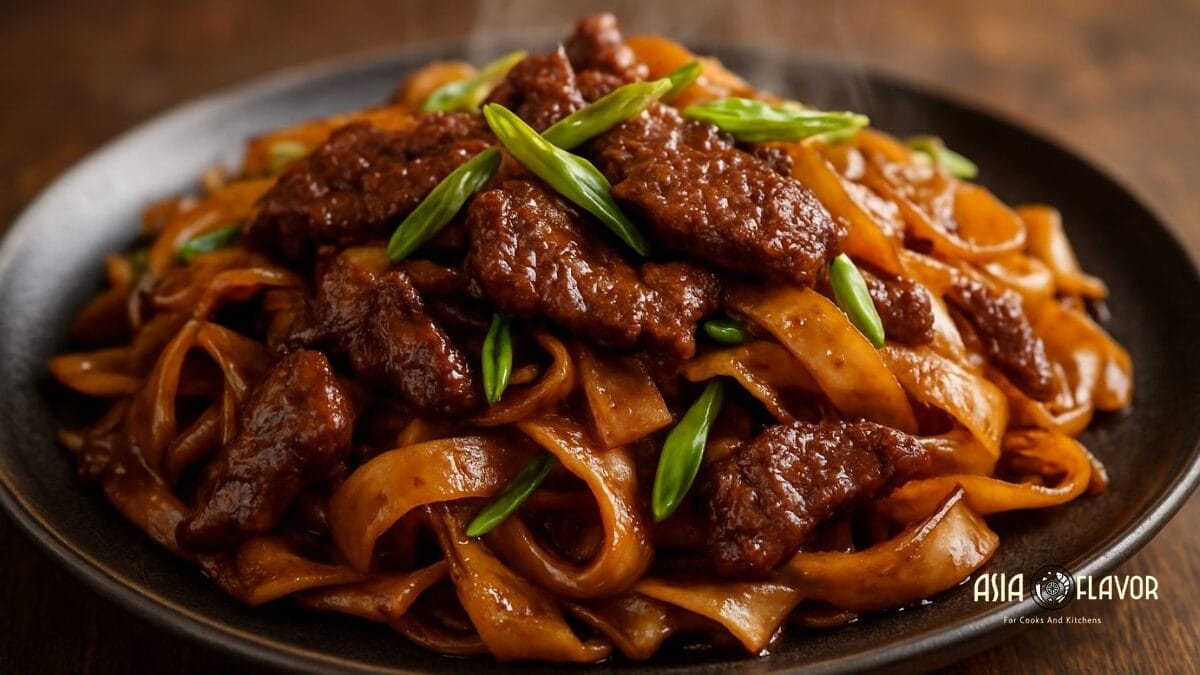
Preparing Chow Foon noodles at home is an achievable goal with the right approach. The process is less about complex techniques and more about understanding the properties of the noodles and the timing of the stir-fry. You are essentially conducting a carefully timed performance where each ingredient plays its part at the optimal moment.
Preparing the Noodles: Gentle Handling is Paramount
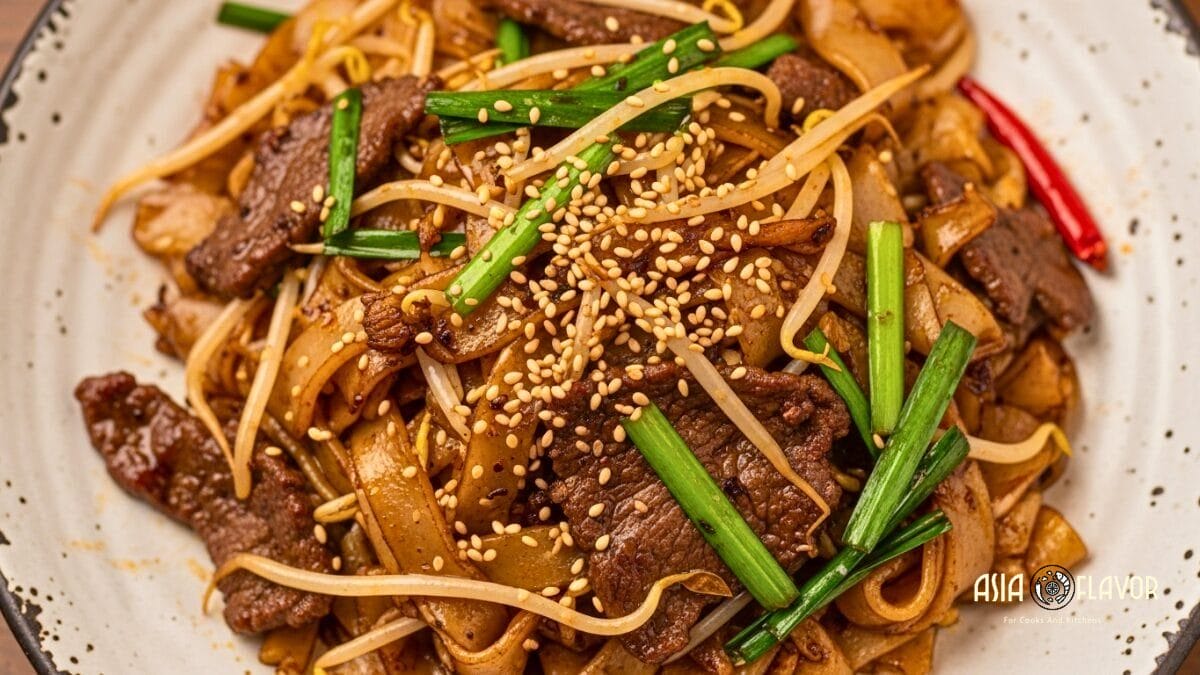
If you are using fresh noodles, you will want to gently separate them. Sometimes they are stuck together tightly. You can do this by hand, or if they are in a large sheet, you can tear them into manageable widths. Avoid chopping them, as this can make them brittle. If using dried noodles, follow the package instructions carefully for rehydration. A common method is to soak them in hot (not boiling) water until they are pliable but still firm, then drain them thoroughly. Over-soaking will result in a loss of texture. Imagine you are handling fragile silk; gentleness is key to preserving its integrity.
The Stir-Fry Technique: High Heat, Quick Cooking
The hallmark of a good stir-fry is high heat and swift execution. You want your wok or large skillet to be smoking hot before you add any ingredients. This ensures that the food sears quickly, developing flavor and preventing it from steaming in its own juices.
Step 1: Searing the Protein
Begin by stir-frying your chosen protein until it is just cooked through. Remove it from the wok and set it aside. This prevents it from overcooking and becoming tough while the vegetables and noodles are being prepared. You are essentially giving your protein a brief, intense embrace with the heat.
Step 2: Building the Base with Aromatics
Add a little oil to the hot wok and stir-fry the minced garlic and ginger until fragrant. This should only take a few seconds. Be careful not to burn them, as this will impart a bitter taste. This is the fragrant awakening of your dish.
Step 3: Introducing the Vegetables
Add your firmer vegetables (like onions or broccoli) and stir-fry for a minute or two until they start to soften. Then add the more delicate vegetables (like bean sprouts and chives) and stir-fry for a final minute. You want the vegetables to be tender-crisp, retaining a slight bite. This is the vibrant chorus of colors and textures joining the melody.
Step 4: Bringing it All Together
Return the cooked protein to the wok. Add the prepared Chow Foon noodles and pour over your prepared sauce. Gently toss everything together, ensuring the noodles are coated in the sauce and heated through. This is the grand finale, where all the elements unite. Avoid aggressive stirring, which can break the noodles. Think of yourself as a conductor, guiding the orchestra with a gentle but firm hand.
The Sauce: A Symphony of Flavors
The sauce is where you can truly personalize your Chow Foon. A basic sauce might include:
- 2 tablespoons soy sauce
- 1 tablespoon oyster sauce
- 1 tablespoon Shaoxing wine
- 1 teaspoon sugar
- 1 teaspoon cornstarch (mixed with a tablespoon of water to create a slurry for thickening)
You can adjust the proportions to your taste. For a spicier kick, add a pinch of chili flakes or a dash of sriracha. For a more complex aroma, add a drop of sesame oil at the very end, off the heat. This is where your personal signature is written on the dish.
Essential Side Dishes: Elevating the Meal
While Chow Foon can be a complete meal on its own, pairing it with complementary side dishes can transform it into a truly spectacular dining experience. These accompaniments should offer a contrast in texture or flavor, providing a well-rounded meal. Imagine these as the complementary colors on a painter’s palette, enhancing the central masterpiece.
The Crispy Contrast: Spring Rolls or Wonton Crisps
A side of light and crispy spring rolls or fried wonton crisps offers a delightful textural counterpoint to the soft noodles. The satisfying crunch contrasts beautifully with the tender chewiness of the Chow Foon. You can prepare these from scratch or purchase them pre-made from Asian markets. They are the crunchy punctuation marks in your meal’s narrative.
The Refreshing Interlude: Steamed or Blanched Greens
A simple serving of steamed or blanched bok choy, gai lan (Chinese broccoli), or even just some lightly wilted spinach provides a refreshing, palate-cleansing element. A drizzle of soy sauce or a light garlic dressing can further enhance their flavor. These greens are like the refreshing breaks in a long piece of music, offering moments of lightness.
The Brothy Embrace: A Light Soup
A delicate, clear soup, such as a simple chicken or vegetable broth with a few strands of seaweed or some tofu cubes, can provide a warming and hydrating contrast. It’s a gentle murmur that complements the more robust flavors of the Chow Foon. This soup is the quiet intermission between acts.
The Tangy Accent: Pickled Vegetables
For those who enjoy a bit of tang, a small dish of pickled radishes, cucumbers, or even a spicy kimchi can add a bright, acidic note that cuts through the richness of the stir-fry. These pickles are the sharp, witty interjections that liven up a conversation.
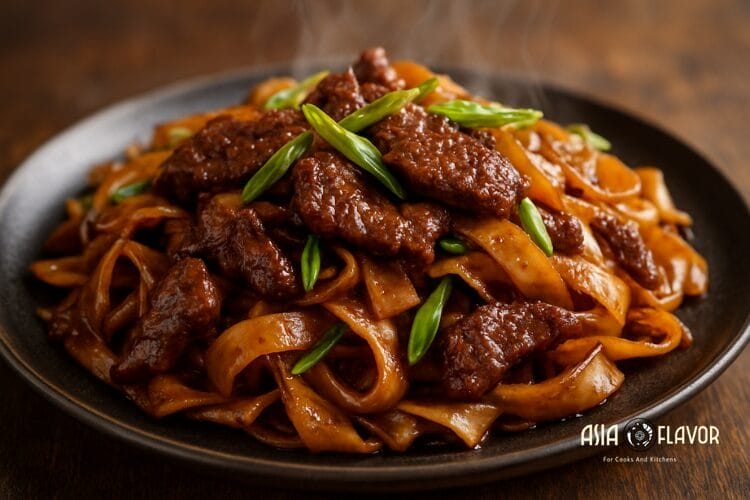


Sichuan Chow Foon
4
servings30
minutes40
minutes300
kcal1
hour10
minutesA spicy Sichuan noodle dish with vegetables and rich flavors.
Keep the screen of your device on

Ingredients
- For The Beef
5 oz 5 beef (flank or skirt steak)
1 tsp 1 light soy sauce
1 tsp 1 Shaoxing rice wine
1 tsp 1 cornstarch
1 tbsp 1 water
1 pinch 1 sugar
1 tsp 1 cooking oil
- For The Noodles
16 oz 16 chow foon noodles (ho-fun or sa-ho fun)
2 tbsp 2 dark soy sauce
1 tbsp 1 light soy sauce
1 tsp 1 Sichuan (or chili oil)
1 tsp 1 sesame oil
2 cloves 2 garlic
1 oz 1 Chinese chives
1 1 onion
2 oz 2 beansprouts
2 tbsp 2 cooking oil

Directions
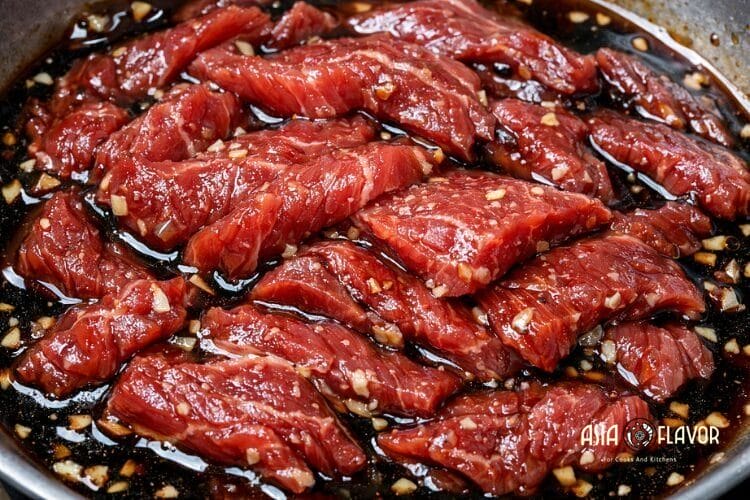
- Cut the beef against the grain. Combine it with light soy sauce, rice wine, cornstarch, water, and sugar. Toss with oil, then let it sit for 15 minutes.

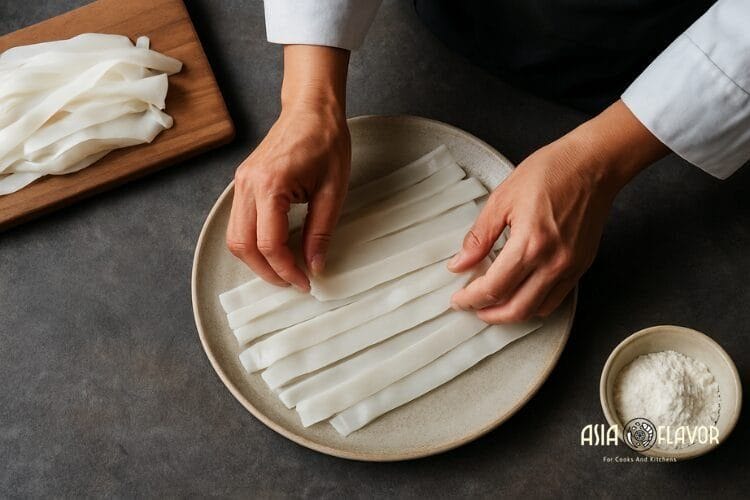
- Prepare the Noodles. If using fresh: Carefully pull the noodles apart by hand into long strands, avoiding breaking them into small pieces. If using dried: (reduce the amount to 8oz/230g): cook according to the package directions, then rinse with cold water before stir-frying.
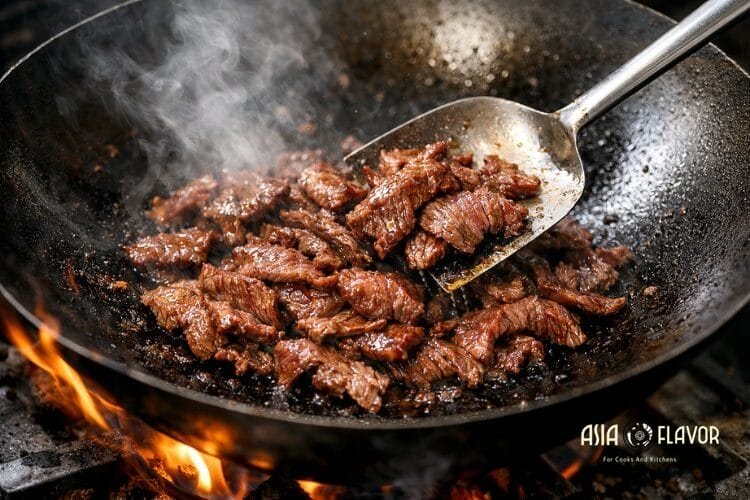
- Pour oil into a hot wok. Add the marinated beef slices and stir-fry until they just start to brown (avoid overcooking). Remove the beef, leaving the oil in the wok.
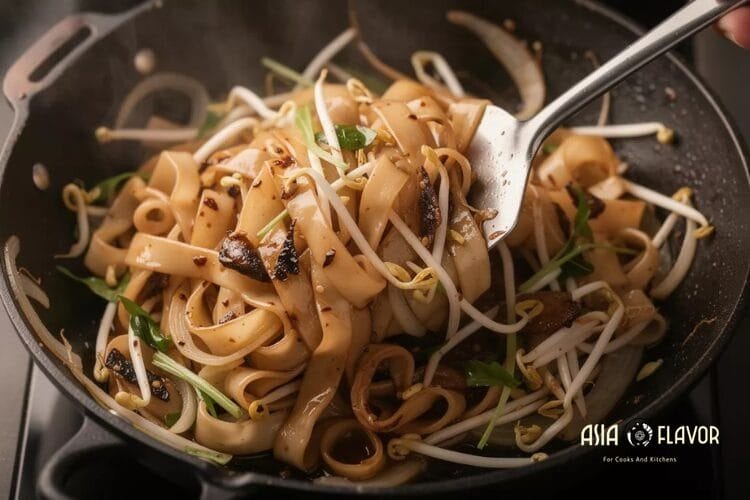
- Add the noodles and gently toss with chopsticks. Once the noodles soften, mix in the beansprouts, garlic and onion. Stir-fry for about 30 seconds.
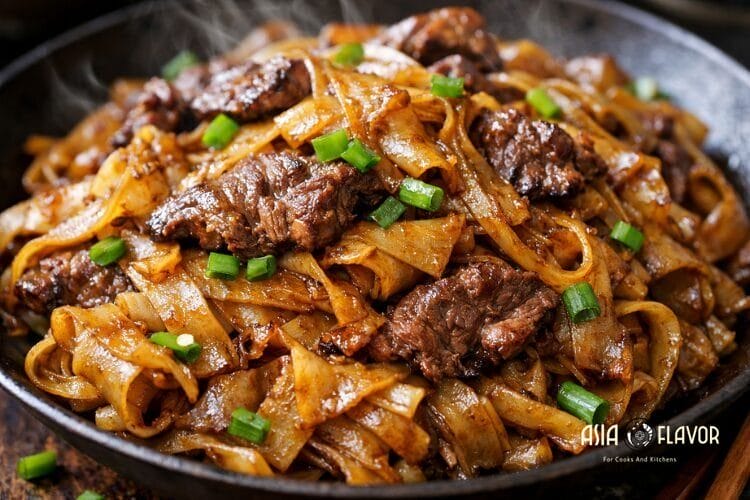
- Add the beef back into wok and Chinese chives. Pour in the light and dark soy sauces, sichuan, chili and sesame oil. Continue cooking for another 30 seconds.

Equipment
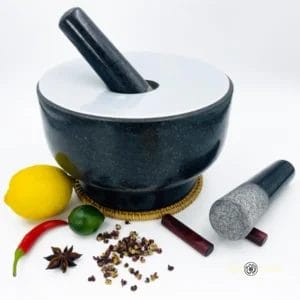

Notes
- Chow fun are also known as ho-fun. They are wide, slightly thick and non-transparent. You may find them with different spellings such as Sa-ho fan, Sha he fen, etc. Or you can identify them by Chinese character 沙河粉.
- Feel free to add more or less sichuan and chili dependent upon your taste
Nutrition Facts
- Serving Size: 1g
- Total number of serves: 4
- Calories: 420kcal
- Fat: 14g
- Saturated Fat: 3g
- Trans Fat: 0g
- Polyunsaturated Fat: 4g
- Monounsaturated Fat: 6g
- Cholesterol: 0mg
- Sodium: 750mg
- Potassium: 200mg
- Carbohydrates: 65g
- Fiber: 5g
- Sugar: 8g
- Protein: 12g
- Vitamin A: 10IU
- Vitamin C: 15mg
- Calcium: 4mg
- Iron: 10mg
- Vitamin D: 0mg
- Vitamin E: 2mg
- Vitamin K: 20mg
- Thiamin: 5mg
- Riboflavin: 3mg
- Niacin: 6mg
- Vitamin B6: 4mg
- Vitamin B12: 0mg
- Folate: 10mg
- Biotin: 4mg
- Pantothenic Acid: 2mg
- Phosphorus: 15mg
- Iodine: 0mg
- Magnesium: 8mg
- Zinc: 5mg
- Selenium: 6mg
- Copper: 4mg
- Manganese: 10mg
- Chromium: 0mg
- Molybdenum: 2mg
- Chloride: 0mg
Did you make this recipe? We’d love to see it!
Tag @healthynatured on Instagram and add the hashtag#asiaflavor
Like this recipe?
Follow @healthynatured on Pinterest
Join us on Facebook!
Follow Taste of Asia Flavor on Facebook
Regional Variations: A World of Chow Foon
Chow Foon noodles are a testament to culinary adaptability, appearing in subtly different forms across various regions of China and beyond. Each region imbues the dish with its unique flavor profile and ingredient preferences, showcasing the diversity within this seemingly simple noodle dish. Think of these variations as different dialects of the same culinary language.
Cantonese Chow Foon: The Classic Approach
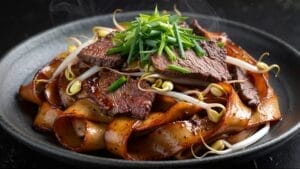
In the Cantonese tradition, Chow Foon often appears as “Beef Chow Fun” (Ngo Yau Ho Fun). This is perhaps the most widely recognized version outside of Asia. The key elements are thinly sliced marinated beef, bean sprouts, and chives, all stir-fried in a savory sauce typically featuring soy sauce, Shaoxing wine, and a touch of sugar. The beef is often marinated in a mixture of soy sauce, cornstarch, and sometimes a little oyster sauce to tenderize it and give it a velvety texture. This is the benchmark, the foundational text from which other variations emerge.
Sichuan Chow Foon: A Fiery Kick
Sichuan cuisine is known for its bold flavors and liberal use of chili peppers and Sichuan peppercorns. A Sichuan-style Chow Foon might feature a spicier sauce, incorporating ingredients like chili bean paste (doubanjiang), dried chilies, and the numbing mala (spicy and tingly) sensation of Sichuan peppercorns. This version will awaken your senses with a vibrant, exhilarating heat. You’ll feel the tingle of electricity on your tongue.
Singaporean Chow Foon: A Nyonya Touch
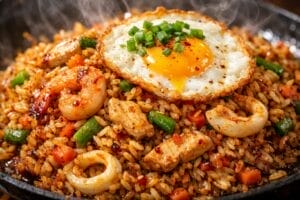
Singaporean cuisine, influenced by Malay and Chinese culinary traditions, offers its own take. A “Hokkien Char Mee” style stir-fry, while sometimes using different noodles, can be adapted with Chow Foon. This might involve a richer, darker sauce with more prominent umami notes, often incorporating shrimp and squid, and a touch of sweetness. It’s a dish that carries the echoes of ancient trade routes in its flavor.
Malaysian Chow Foon: A Fusion of Flavors
Similar to Singapore, Malaysian Chow Foon dishes can range from sweet and savory to spicy. You might find variations using dried shrimp for added depth, or a touch of curry powder for a subtle aromatic twist. The beauty of Malaysian cuisine lies in its masterful fusion, and Chow Foon is no exception. It’s a dish that tells a story of cultural exchange.
Vegetarian Chow Foon: A Plant-Based Delight
For those following a vegetarian or vegan diet, Chow Foon is incredibly versatile. You can swap out the traditional proteins for firm or extra-firm tofu, tempeh, or a medley of hearty mushrooms like shiitake or king oyster mushrooms. The vegetables become even more central, and the sauce can be adjusted to omit oyster sauce (using mushroom-based “oyster” sauce or simply relying on soy sauce and other flavorings). This is the adaptability of nature itself, finding new forms of expression.
Conclusion: Your Chow Foon Adventure Awaits
Mastering Chow Foon noodles is not just about following a recipe; it’s about understanding the interplay of ingredients, textures, and heat. You have been given the map and the compass; now it’s time to embark on your own culinary expedition. Experiment with different proteins, vegetables, and sauces. Don’t be afraid to adjust the seasonings to suit your personal preferences. The kitchen is your laboratory, and Chow Foon noodles are your versatile element. With practice and a keen attention to detail, you will consistently create bowls of steaming, flavorful Chow Foon that will delight your taste buds and impress those you share them with. The journey from raw ingredients to a finished, delicious dish is a rewarding one, and the Chow Foon noodle is a perfect companion for your culinary adventures.
FAQs
What are Chow Foon noodles?
Chow Foon noodles, also known as chow fun, are wide, flat rice noodles commonly used in Chinese cuisine. They have a soft, chewy texture and are ideal for stir-frying or serving in soups.
What ingredients are typically used in a Chow Foon noodles recipe?
A typical Chow Foon noodles recipe includes wide rice noodles, soy sauce, garlic, vegetables like bean sprouts and green onions, protein such as beef, chicken, shrimp, or tofu, and sometimes oyster sauce or hoisin sauce for added flavor.
How do you prevent Chow Foon noodles from sticking together?
To prevent Chow Foon noodles from sticking, rinse them under cold water after cooking, toss them lightly with a small amount of oil, and avoid overcooking. Stir-frying them quickly over high heat also helps keep them separate.
Can Chow Foon noodles be made gluten-free?
Yes, Chow Foon noodles are naturally gluten-free since they are made from rice. However, it is important to use gluten-free soy sauce or tamari and check other sauces or ingredients to ensure the entire dish is gluten-free.
What is the best way to cook Chow Foon noodles for stir-fry?
The best way to cook Chow Foon noodles for stir-fry is to soak or boil them until just tender, drain well, and then stir-fry quickly over high heat with oil and other ingredients. This method helps maintain their texture and prevents them from becoming mushy.

fab