The tantalizing aroma of spices wafting through the air, the sight of saffron-tinged rice interspersed with succulent pieces of chicken—there’s something almost magical about a well-crafted chicken biryani. But have you ever paused to wonder about the story behind this exquisite dish that graces tables from festive celebrations to everyday meals across the globe? The chicken biryani recipe is much more than just a combination of ingredients; it’s a culinary hero rooted in history, imbued with tales of cultural fusion, and perfected through generations.
Embark on a journey where we unearth the rich tapestry of biryani’s past and dive into its regional variations that paint a diverse yet harmonious picture of flavors. From the aromatic South Indian Hyderabadi biryani to the zesty Kolkata biryani, each version brings its own unique twist, shaped by local tastes and traditions. Whether cooked in layered perfection or simmered together in a fragrant pot, the secrets of mastering this beloved dish lie in technique and patience. Join us as we explore these nuances, offering insights and uncovering the hidden gems that elevate the chicken biryani recipe from mere sustenance to an art form worthy of admiration.
The Origins of Chicken Biryani: A Historical Journey
The story of chicken biryani recipe begins long before the British Raj, tracing its roots to the kitchens of Persia and Central Asia. The word “biryani” itself is derived from the Persian word “birian,” meaning fried before cooking. As Mughal emperors established their reign in India during the 16th century, their chefs brought these rice-dish traditions with them, melding Persian techniques with local Indian spices and methods. The combination of long-grain basmati rice, fragrant spices, yogurt-marinated meat, and saffron-infused water became an instant hit among the royal courts, where elaborate feasts showcased this dish’s opulence and complexity.
Over time, chicken biryani evolved beyond palaces into everyday kitchens, adapting to available ingredients and regional preferences. Traveling merchants, Sufi saints, and military campaigns facilitated the spread of biryani throughout the subcontinent, each locale leaving its culinary fingerprint on the dish. What began as a regal banquet item gradually transformed into a beloved staple for celebrations and daily meals alike. The interplay of history and culture in the biryani’s evolution underscores why the chicken biryani recipe remains a symbol of unity through food, connecting diverse communities under the shared love of spices, rice, and slow-cooked goodness.
Regional Variations: A Culinary Tour of Different Biryani Styles
India’s vast geography and cultural tapestry have given rise to countless renditions of chicken biryani recipe, each boasting distinct techniques, spice blends, and presentation. From coastal regions’ coconut-infused versions to the dry, smoky pulaos of the north, biryani adapts to local palates and ingredients while preserving its core appeal: layered rice and meat cooked to aromatic perfection.
Exploring regional variations is akin to taking a gastronomic tour, where every stop reveals a new nuance in spice intensity, cooking method, and accompaniment. While some styles emphasize the bold heat of chilies and peppercorn, others lean toward floral notes from saffron and rose water. Whether served with cooling raita, tangy pickles, or crunchy boondi, each regional biryani encapsulates a story of place, history, and community.
Hyderabadi Biryani: Unraveling the Secrets of the Nizams’ Delight
Hyderabadi biryani stands as the crown jewel among chicken biryani recipe variations, celebrated for its regal aroma and meticulous preparation. Developed under the patronage of the Nizams in Telangana, this style employs the dum pukht technique, sealing marinated chicken and par-cooked rice in a heavy pot. As it simmers over low heat, the flavors meld while steam circulates, creating distinct layers of tender meat and fragrant rice.
The key to Hyderabadi biryani lies in the marinade: yogurt, ginger-garlic paste, red chili powder, and a vibrant blend of ground spices. Saffron dissolved in warm milk adds both color and floral undertones, while fried onions (birista) lend a sweet, caramelized crunch. Ghee and whole spices—cardamom, cloves, cinnamon—infuse the rice, making each grain aromatic and separate. When skillfully assembled, the final dish emerges with a golden crust at the bottom (the “kewda”), prized for its nutty aroma and slight crispiness, embodying the opulence of Nizam-era feasts.
Kolkata Biryani: A Spicy Twist from the City of Joy
Kolkata biryani is treasured for its delicate balance of flavors, tempered down compared to its Hyderabadi counterpart. Introduced by Awadhi cooks in the 19th century, this version adapted to local tastes and economic constraints, incorporating potatoes alongside chicken—a nod to affordability and satiety. The potatoes soak up the biryani’s spices and juices, enriching every bite with subtle earthiness.
Marination for Kolkata biryani features lighter spices, favoring green chilies, nutmeg, and mace to keep the fragrance gentle yet layered. The rice is par-cooked with bay leaves, star anise, and a hint of rose water, infusing it with floral warmth. When layered, thinly sliced onions and chopped coriander add textural contrast and freshness. A final drizzle of kewra or rose essence before sealing the pot heightens the aromatic profile without overpowering the dish. This harmonious interplay of flavors and textures makes Kolkata biryani a beloved comfort food, reflecting the city’s cosmopolitan spirit.
Lucknowi Biryani: Nawabi Elegance in Every Bite
Lucknowi, or Awadhi biryani, represents the epitome of Mughal refinement, hailing from the royal kitchens of Lucknow. Unlike the dum-style Hyderabadi approach, Awadhi chefs often employ the pakki (fully cooked) and kachchi (raw meat) methods, combining marinated chicken and aromatic rice in stages to ensure even cooking. Subtle use of saffron and mild spices, along with fragrant rose water, lends the dish an air of sophistication.
The hallmark of Lucknowi biryani is its gentle layering: rice topped with marinated chicken, interspersed with fried onions, fresh mint, and coriander. Ghee replaces oil, imparting richness, while a final steam bath under tandoor coal embers adds a faint smokiness. Each mouthful delivers tender meat enveloped in delicately spiced rice, showcasing the Nawabi ethos of elegance and restraint. The result is a sumptuous yet understated biryani that celebrates balance over intensity.
Ambur Biryani: The Flavors of Tamil Nadu in a Pot
Ambur biryani, from Tamil Nadu’s Vellore district, distinguishes itself through simplicity and spice-forward flavor. Prepared with seeraga samba rice—a short-grain variety akin to basmati in aroma but creamier in texture—this biryani highlights the interplay between rice and masala. Chicken pieces are cooked separately in a fiery red gravy of chili powder, fennel seeds, and poppy seeds, then layered with rice in a traditional vessel.
No yogurt is used in Ambur biryani; instead, curry leaves, garam masala, and garlic infuse the dish with South Indian character. The pot is sealed with dough to trap steam, ensuring that the rice absorbs every bit of spice-infused moisture. Served alongside tangy brinjal curry and raita, Ambur biryani offers a rustic yet intense take on the chicken biryani recipe, celebrated for its vibrant color, bold heat, and regional authenticity.
Cooking Techniques: Layered vs. One-Pot Preparation
When mastering the chicken biryani recipe, cooks often debate between layered (dum) and one-pot methods. The layered technique involves par-cooking rice and chicken separately, then assembling them in alternating strata with spices, fried onions, and ghee. Sealed and slow-cooked, this method yields distinct layers of rice and meat, ensuring clarity of grain and concentrated flavors.
In contrast, the one-pot approach blends all ingredients—marinated chicken, soaked rice, spices, and aromatics—into a single vessel from the outset. Simpler and faster, this method sacrifices the visual separation of layers but enhances the interplay of flavors. While layered biryanis often command more time and precision, one-pot biryanis appeal to home cooks seeking convenience without abandoning the essence of the dish. Both techniques honor the spirit of biryani, balancing patience, technique, and respect for tradition.
Essential Ingredients: The Key to Authentic Chicken Biryani
At the heart of every chicken biryani recipe lies a handful of indispensable ingredients. Long-grained basmati rice forms the canvas, prized for its aromatic profile and elongation during cooking. Chicken, preferably bone-in, contributes depth of flavor and succulence. Yogurt aids in tenderizing meat and carrying spices into the fibers. Saffron, soaked in warm milk, imparts both color and floral notes, elevating the dish’s visual and sensory appeal.
Spice blends distinguish regional styles: garam masala, ground coriander, and cumin unify North Indian versions, while South Indian biryanis incorporate fennel, poppy seeds, and curry leaves. Fresh aromatics—ginger, garlic, green chilies—anchor the base, while fried onions (birista) deliver sweetness and texture. Ghee, more than just a cooking medium, infuses richness and binds flavors. Though optional, rose water or kewra adds elegance, rounding out the aromatic spectrum. Sourcing premium spices and ingredients transforms a good biryani into an unforgettable feast.
Cooking Secrets Revealed: Tips and Tricks for Perfecting Your Biryani
Even the most experienced home cook benefits from insider tips when tackling the chicken biryani recipe. First, always rinse and soak basmati rice for at least 30 minutes to remove surface starch, ensuring separate, fluffy grains. Marinating chicken for a minimum of two hours—ideally overnight—permits deep penetration of spices and yogurt, yielding tender, flavorful meat.
When layering, distribute spices, fried onions, and herbs evenly to guarantee flavor in every bite. Seal your cooking vessel tightly—using dough or a heavy lid—to trap steam and harness the dum technique. Maintain low, consistent heat to prevent burning and encourage gentle cooking. For an aromatic finale, place lightly charred coal on a small plate atop the rice, drizzle with ghee, and seal briefly. Finally, allow the biryani to rest for 10–15 minutes before serving; this settling period lets the layers meld and flavors mature, resulting in a truly memorable biryani.
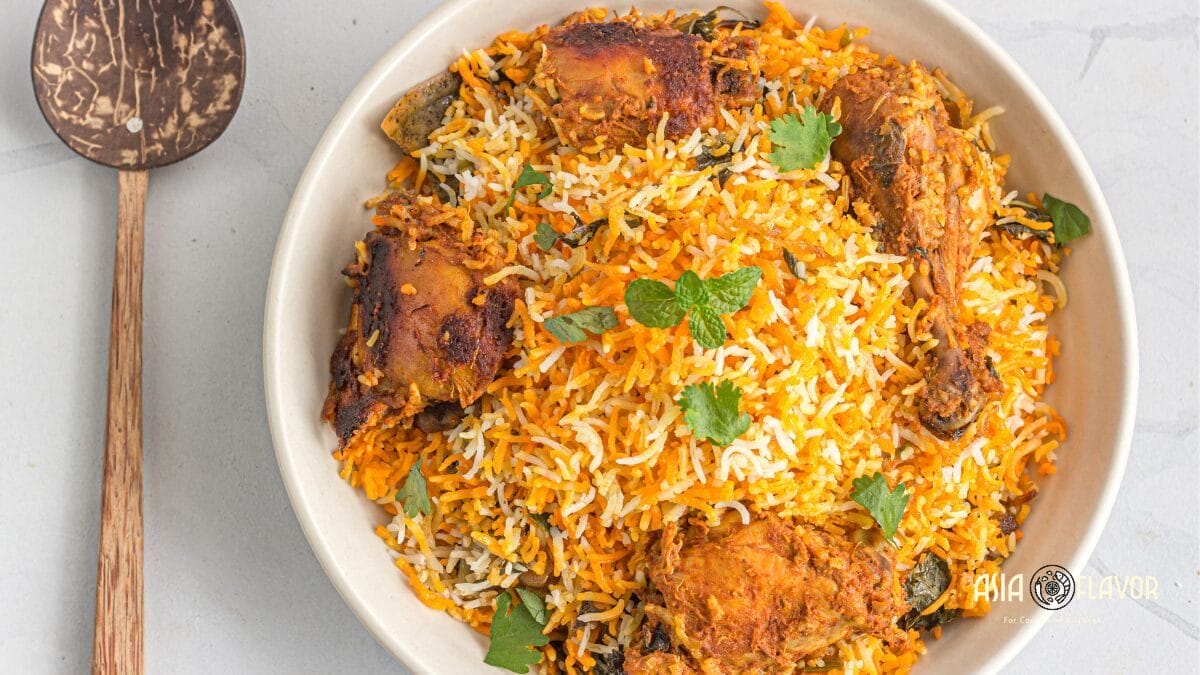


Chicken Biryani
4
servings10
minutes45
minutes300
kcal10
minutes1
hour5
minutesChicken biryani is a beloved dish that brings together fragrant basmati rice, tender chicken, and a blend of aromatic spices. This one-pot meal is perfect for gatherings or a comforting family dinner. The layers of flavor and the vibrant colors make it not only delicious but also visually appealing. With this recipe, you’ll learn how to create a mouthwatering chicken biryani that captures the essence of traditional cooking while being easy to prepare at home. Whether you’re an experienced cook or a beginner, this dish is sure to impress your taste buds and those of your guests. Let’s get started!
Keep the screen of your device on

Ingredients
- For The Rice
1.5 cups 280 g basmati rice
1.25 cups 300 ml water
1 cup 240 ml chicken stock (low or no sodium)
3 3 green cardamom pods
2 2 inch cinnamon stick
1 tsp 1 tsp salt
- For The Biryani Spice Mix
1 tsp 1 tsp garam masala
1/2 tsp 1/2 tsp turmeric
2 tsp 2 tsp cumin powder
1 tsp 1 tsp coriander powder
1/2 tsp 1/2 tsp dried fenugreek leaves
1 tsp 1 tsp kasmiri chili powder
1/2 tsp 1/2 tsp dried mango powder (amchoor powder)
- For The Chicken
5 tbsp 5 tbsp canola oil
1 lb 450 g chicken thighs (boneless, skinless)
1/2 tsp 1/2 tsp salt
1 cup 240 g shallots (thinly sliced)
1/2 tsp 1/2 tsp cumin seed
1 tbsp 1 tbsp garlic paste
1 tbsp 1 tbsp ginger paste
1 tbsp 1 tbsp tomato paste
4 tbsp 4 tbsp water
1 tbsp 1 tbsp fried shallot
strands of saffron
2 tablespoons 2 tablespoons warm water
cilantro

Directions
- Cook The Rice
- Set your oven to 350F. If you have a rice cooker simply combine all the rice ingredients and set to cook as you normally do. While the rice is cooking cook the chicken.
- If you don’t have a rice cooker start by washing the rice in cold water until it runs clear. Then soak the rice for 15 minutes. Drain the rice and add to a saucepan with a tight fitting lid. Add the water, chicken stock, green cardamom, cloves, cinnamon stick and salt. Bring to the boil over a medium heat uncovered. Place the lid on the rice and simmer for 20 minutes. After 20 minutes, turn off the heat and let stand for 5 minutes. Uncover and remove the whole spices. Fluff the rice with a fork gently and cover to keep warm.
- Cook The Chicken
- To make the biryani spice mix combine all the ingredients in a small bowl. Dilute 1 tbsp tomato paste with 4 tbsp water and set aside. Slice the shallots.
- Heat the oil in a wok or pan over medium heat. Add the shallots and cook until they start to brown. Add the cumin seed. Cook for about 30 seconds. Add the garlic and ginger paste. Fry for a minute stirring continuously to prevent the paste from burning.
- Turn the heat to medium low. Add the biryani spice mix and 1/2 tsp salt. Stir to combine the spices and cook for about 30 seconds.
- Add the diluted tomato paste, stir and cook about a minute.
- Add the chicken, stirring regularly until the chicken is almost cooked through. It will finish cooking in the oven.
- Assemble The Chicken Biryani
- Select a dish about 9-10 inches in diameter with a tight fitting lid. Place half the cooked rice in the pot and spread it out in an even layer. Top with the chicken mixture. Add the rest of the rice. Top with the fried shallots. Drizzle the saffron water mixture overtop. Cover the dish with tinfoil and then the lid.
- Transfer the chicken biryani to the oven and bake for 20 minutes. Remove it from the oven and let it stand for 10 minutes. Remove the lid and foil. Garnish with more fried shallots and a bit of cilantro. Enjoy.

Equipment



Did you make this recipe? We’d love to see it!
Tag @healthynatured on Instagram and add the hashtag#asiaflavor
Like this recipe?
Follow @healthynatured on Pinterest
Join us on Facebook!
Follow Taste of Asia Flavor on Facebook
Conclusion: Celebrating the Timeless Appeal of Chicken Biryani
From the grand courts of the Mughals to humble home kitchens, the chicken biryani recipe has traversed centuries, adapting to cultures while maintaining its core magic. Each regional variant—from fiery Ambur to fragrant Hyderabadi—reveals a unique narrative of place, people, and palate.
By understanding the history, embracing essential ingredients, and mastering cooking techniques, cooks can honor tradition while crafting a biryani that speaks to their own taste. In its aromas, textures, and flavors, biryani remains a testament to culinary artistry and the universal joy of sharing a remarkable meal.