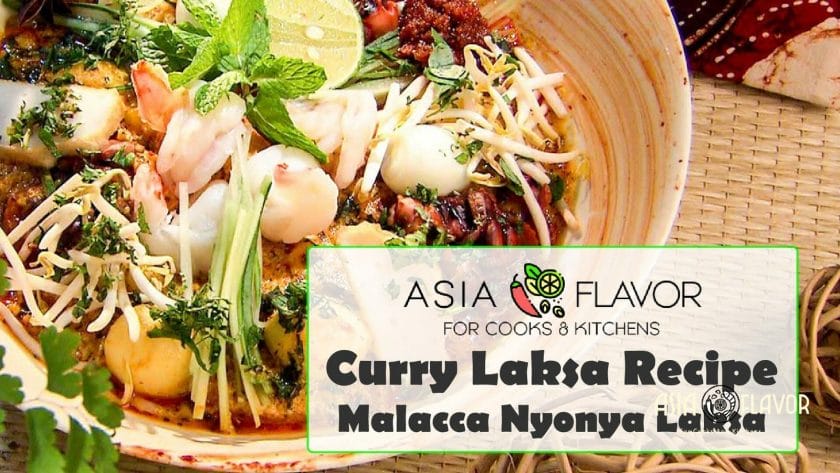
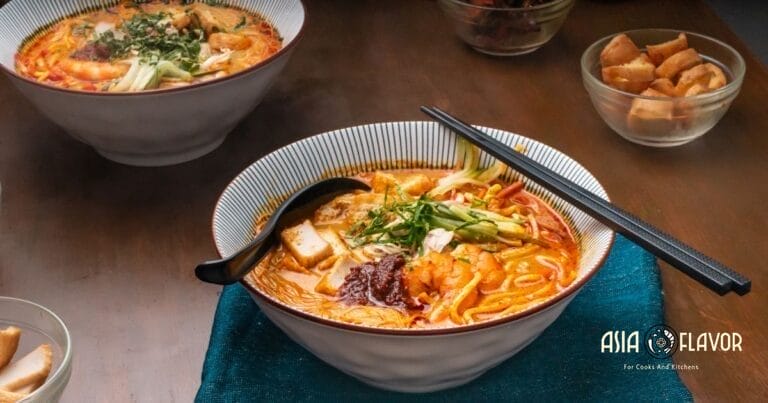
The noodle soup , or laksa is one of Malaysia’s iconic dishes. It takes many names and even more forms. Today we make Curry Laksa, or the Malacca Nyonya Laksa to be precise. A rich dish of coconut milk, prawns and spice!.
Let’s Talk Laksa
In case you’re a novice to Laksa, let’s discuss the options. There are two basic laksa genres: asam laksa and curry laksa.
Asam Laksa
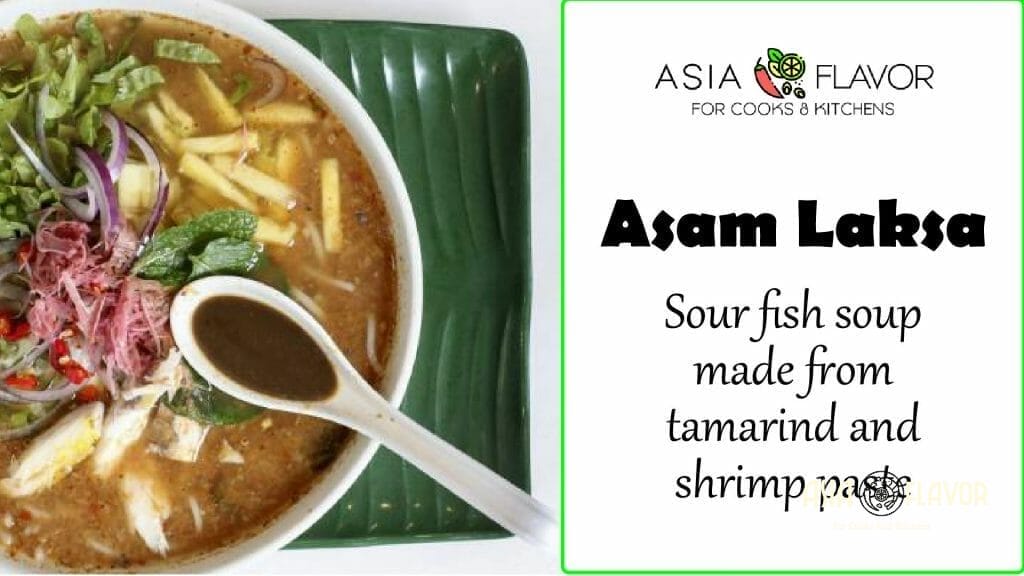
Asam means “tamarind,” and therefore Asam Laksa is a tart and sour fish soup made from the tamarind fruit.
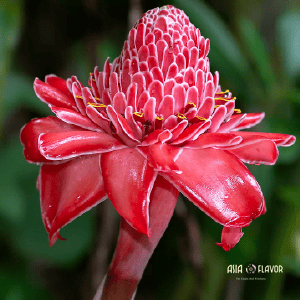
It also contains belacan, the famously tangy shrimp paste, and various aromatics. It produces a thin broth and usually served with rice noodles, chunks of white fish which is cooked in the broth, and then garnished with shredded cucumbers, pineapple, and the bright pink, and somewhat bitter, torch ginger flower.
Similar versions, with slight regional variations are known as Penang Laksa and Ipoh laksa, due to the towns in which they originated.
Curry Laksa – Malacca Nyonya Laksa
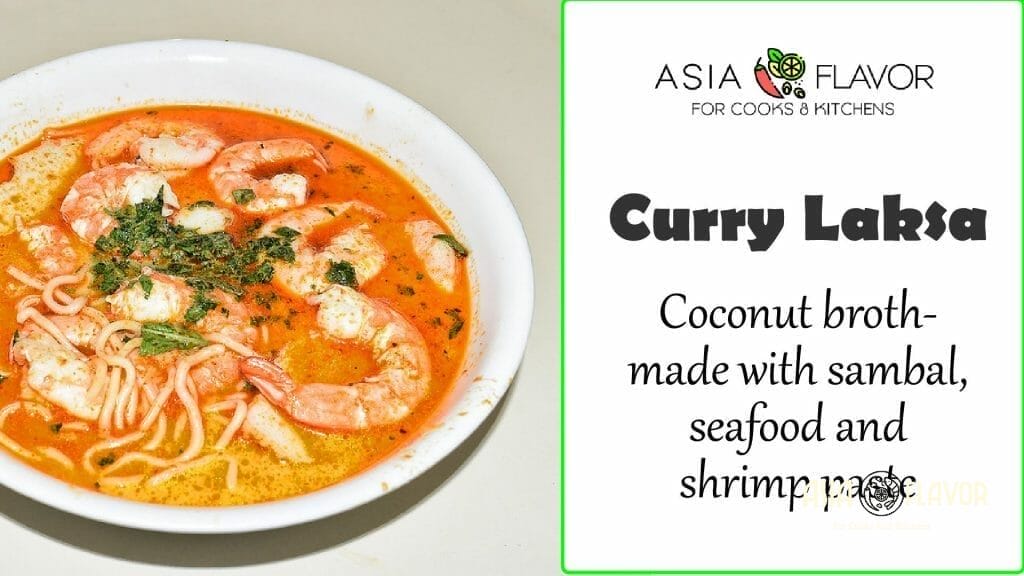
Curry Laksa, also known as Laksa Lemak and Nyonya Laksa is a much richer dish. The soupy broth has a coconut milk base and is added to a pan fried spicy paste.
This soup is poured over noodles and garnished with tofu puffs, shrimp, bean sprouts and egg.
If you hear someone describe a dish as just “Laksa,” this is usually the one they are talking about.
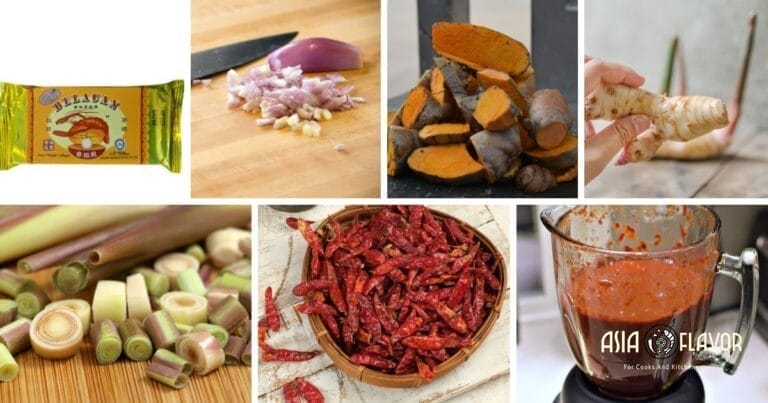
Like many Malaysian dishes, it starts with the blending of a spice paste consisting of turmeric, galangal, lemongrass, and belacan shrimp paste. This is then cooked down to blend and concentrate the flavors. The addition of shrimp or chicken broth turns the thick paste into a delicious soup with coconut milk being added at the very end just before serving.
Regional Variances
Of course, as with all beloved dishes there are considerable variations that have been created. People have added preferred ingredients and taken away those they do not enjoy. Chefs have tried to make improvements. But often the main reason was simply the need to substitute items that could not be found, or were to expensive, with local meats and produce.
In Penang, in the north of the country, you’ll find Asam Laksa is more prevalent, and it is often much more tart and very spicy. This is due to their proximity to Thailand and affinity for those flavors.
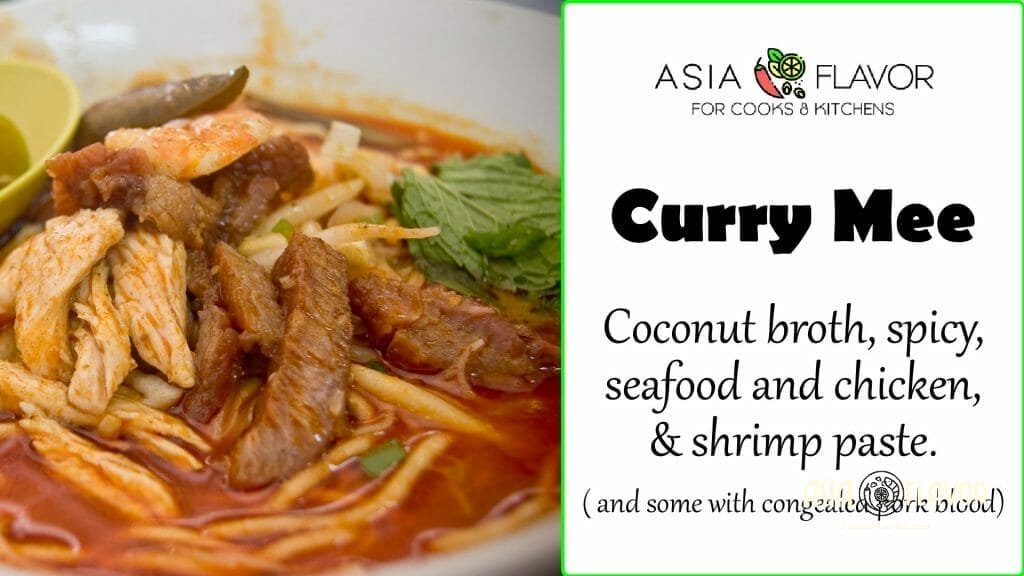
You will also find Curry Laksa is called Curry Mee, and is often topped with congealed pork blood. You’ll note the locals watching with interest as travelers slurp it down with great enjoyment, many likely to be completely unaware of the extra special ingredient!
In Johor, Laksa uses coconut milk and also the toasted coconut known as kerisik. They also use fish as a main ingredient rather than prawn.
In other parts of the country, Curry Laksa incorporates fish into the broth and eel is added as a garnish. In Singapore, Borneo, and Indonesia, you’ll find even more variations.
But today we offer the recipe for the Curry Laksa! Enjoy!
Curry Laksa – Malacca Nyonya Laksa Recipe
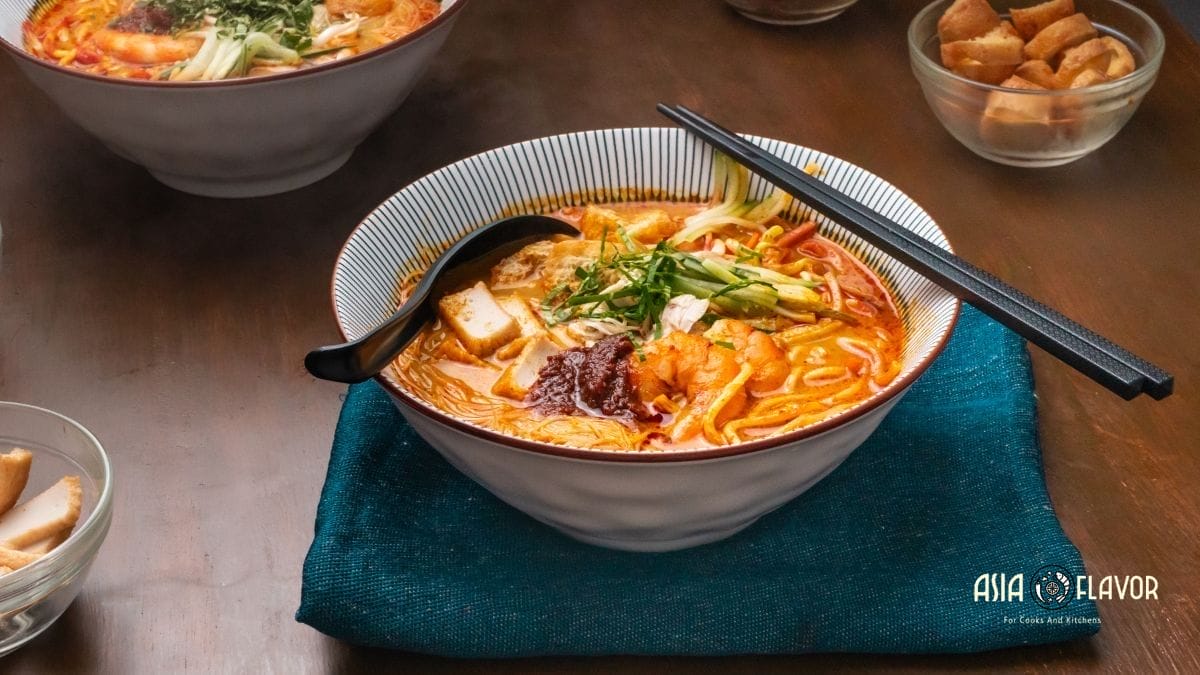


Curry Mee Laksa, The Malacca Nyonya Laksa – A Favorite Flavor Of Asia
An iconic Malaysian dish and found absolutely everywhere this spicy noodle soup is one of my personal favorites and always transports me back to the hawkers. No matter how many times you eat this dish, every stall holder will tell you her or his) Laksa is the best….and they always are. This version is well known for it’s lavish amounts of coconut milk, spices and prawn!
4
servings25
minutes20
minutes761
kcal45
minutesKeep the screen of your device on

Ingredients
- For Assembly
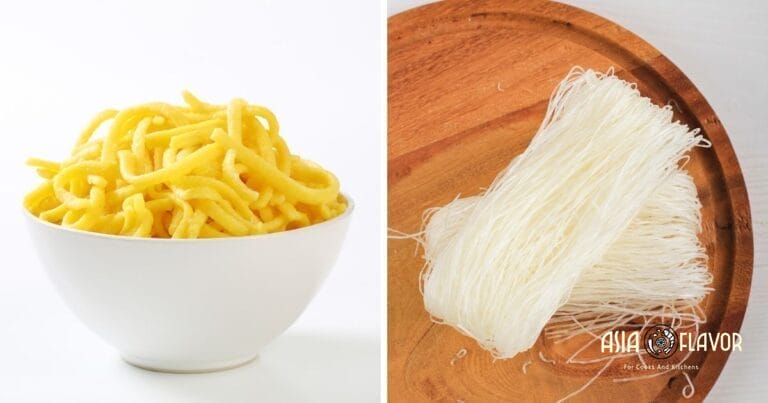
4 cups 640 g Cooked Egg Noodles
2 cups 470 g Soaked Vermicelli
2 cups 200 g Beansprouts
1 1 Cucumber (Sliced)
18 ounces 500 g Prawns (Cooked and Shelled)
3 3 Fishcakes (Boiled and Sliced or 8 cubed fish cake balls)
6 6 hardboiled Eggs (Halved)
1 bunch 1 bunch Polygonum Leaves, (see Notes)
- For the Sambal
10 10 Red Chili (Fresh)
10 10 dried Chili (Soaked in water)
2 tsp 2 tsp Belacan
1 tsp 1 tsp Salt
1/2 tsp 1/2 tsp Palm Sugar
6 tbsp 6 tbsp Cooking Oil
- For the Spice Paste
10 10 shallots (peeled and slice)
4 inch 4 inch fresh turmeric (sliced)
4 tsp 4 tsp galangal (grated)
8 8 stalks lemongrass
20 20 dried chili (soaked until softened)
2 ounces 50 g Candlenuts
4 tsp 4 tsp belachan (shrimp paste)
- For The Laksa Broth
1/4 cup 50 ml Cooking Oil
4 cups 946.35 ml Chicken Stock
2 cups 473.18 ml Coconut Milk
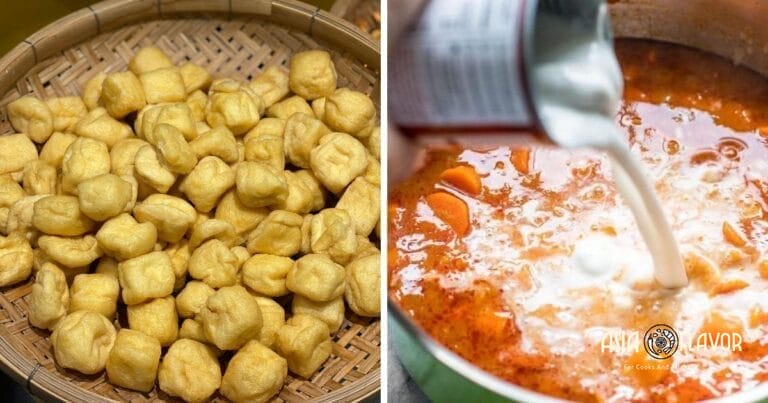
20 pieces 20 pieces tofu puffs (see notes)
2 tsp 2 salt (or to taste)

Directions
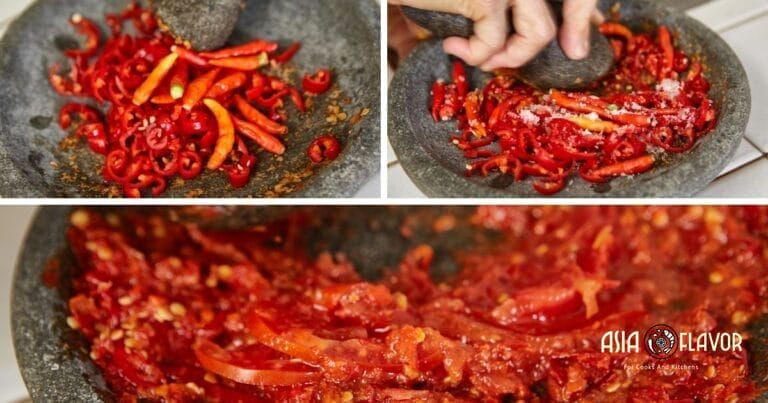
- Prepare the Sambal. Soak the dried chilies in water for 10-15 minutes. Add the soaked chilies. fresh chilies and belachan (shrimp paste) to an electric blender and blend until you have a very fine and smooth paste. You can use a pestle and mortar but let’s be honest, the blender works faster and saves much effort!

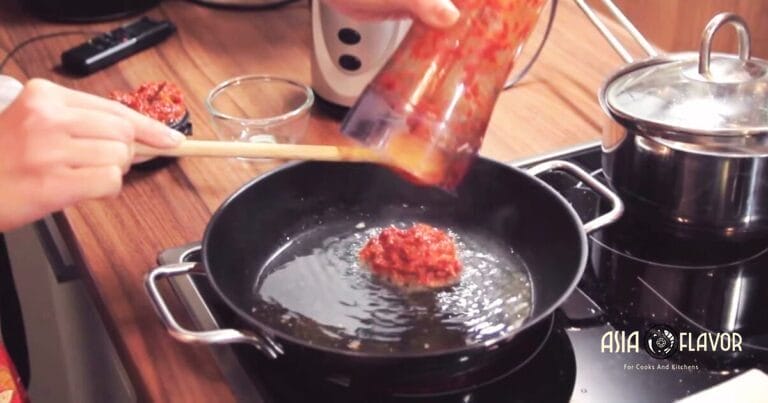
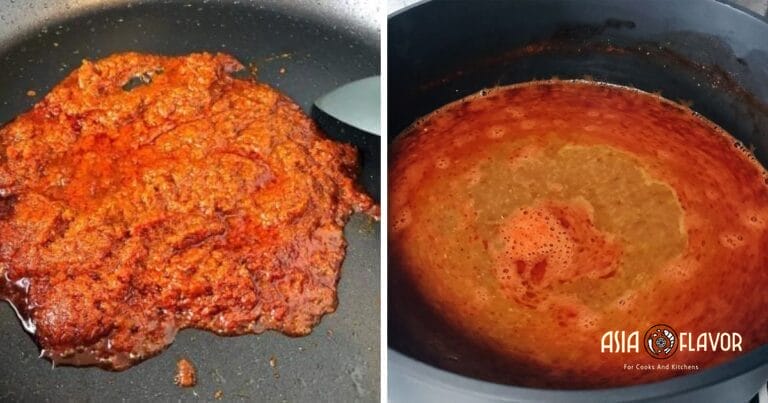
- Cook the Sambal. In a small frypan or saucepan heat the oil. Once hot sauté the chili paste until it becomes very fragrant, ensuring you stir continuously. This only take a minute or 2. Add salt and sugar to taste. Then set the sambal aside to be served with the finished laksa.
- Prepare The Spice Paste. Heat a saucepan on a medium/high heat and dry fry the belachan for 30 – 60 seconds. Remove from heat. Roughly chop the shallots, turmeric, galangal, lemongrass, dried chiles and add to a blender. Also add to the blender your candlenuts and the fried belachan. Blend until you have a smooth paste. You should have enough water from the soaked chili, but if needed you can add a little water to help the paste blend well.
- Prepare the Laksa broth. In a wok, or large heavy bottomed saucepan, heat 1/2 cup cooking oil. Once hot add the freshly blended spice paste and sauté until fragrant. Add the stock and bring to a boil.
- Scald The Tofu Puffs. While your broth comes to a boil scald your tofu puffs. Add them to a bowl and pour freshly boiled water making sure you cover them. This freshens the tofu and removes any residue oil from when they were fried. After soaking for a minute drain the tofu. Add the tofu puffs and coconut milk to your broth. Add the salt to suit your taste. Bring back to a quick boil, stirring continuously. Turn off the heat once the coconut laksa broth comes to a boil.
- To Assemble. Blanch the egg noodles and vermicelli in freshly boiled water, soak for 1-2 minutes and drain. Serve by adding some of each noodle type into a bowl. garnish with bean sprouts and cucumber slices. Ladle hot laksa broth over the noodles making sure each dish gets some of the tofu puffs. Then top the bowls with prawns, fish cake slices and halved eggs. Plus the “daun kesum,” if using.
- Serve by adding a big dollop of sambal to the bowls (or place the sambal on the table and let people add their own). The sambal will melt into the hot broth! Delicious! Enjoy!

Equipment
Notes
- 1. Candlenuts will be available at Most Asian grocery stores. If you can’t find candlenuts you can replace with Macadamia nuts.
- 2. Tofu puffs are light and spongy fried tofu balls. They are delicious because they soak up the broth of the laksa. They need to be scalded in hot water briefly before adding to the laksa as it will to remove any excess oil. Usually easily found in the refrigerated section of Chinese or Asian grocery stores.
- 3. Polygonum is also known as laksa leaf, Vietnamese coriander, Daun Kesum or Cambodian Mint; it’s an aromatic herb used in laksa. It is available in some Asian grocery stores but if you can’t find it, don’t stress! You can leave it out.
Nutrition Facts
- Serving Size: 1
- Total number of serves: 6
- Calories: 761kcal
Did you make this recipe? We’d love to see it!
Tag @healthynatured on Instagram and add the hashtag#asiaflavor
Like this recipe?
Follow @healthynatured on Pinterest
Join us on Facebook!
Follow Taste of Asia Flavor on Facebook
%20Laksa%20is%20the%20best%E2%80%A6.and%20they%20always%20are.%20This%20version%20is%20well%20known%20for%20it%E2%80%99s%20lavish%20amounts%20of%20coconut%20milk,%20spices%20and%20prawn!)
Hi, I want to test Nyonya curry laksa paste